When navigating the world of natural emollients, the choice between Squalane and Squalene is a common hurdle for skincare enthusiasts. While the names are nearly identical, these two substances possess distinct chemical profiles that determine how they interact with your skin barrier.
Many users confuse these two because they are closely related in the body’s natural lipid production. However, understanding the difference between the unstable raw precursor and the refined, shelf-stable version is critical for selecting a product that remains effective over time.
This guide breaks down the science and practical application of both, allowing you to decide which fits your specific skin needs. You will learn how each variant integrates with your existing routine, such as using a moisturizer for oily skin or incorporating it into a hydration-focused regimen.
- Chemical stability and shelf life differences
- Source origins: Plant-based vs. animal-derived
- Oxidation rates and skin reactions
- Performance in diverse climate conditions
- Integration with active ingredients like peptides for skin
Overview & Head-to-Head Summary

Defining Squalene: The Natural Precursor
Squalene is a polyunsaturated hydrocarbon that occurs naturally in human sebum. It plays a vital role in lubricating the skin and protecting the surface. However, in its pure, raw form, it is highly unstable and prone to rapid oxidation when exposed to air.
Defining Squalane: The Stable Derivative
Squalane is the hydrogenated form of Squalene. By adding hydrogen to the molecule, manufacturers create a saturated, stable oil that resists oxidation and offers a significantly longer shelf life, making it the industry standard for cosmetic formulations.
| Feature | Squalene | Squalane |
|---|---|---|
| Stability | Low (Oxidizes fast) | High (Stable) |
| Shelf Life | Very Short | Long |
| Skin Compatibility | High (Natural) | High (Biomimetic) |
| Texture | Greasy/Heavy | Lightweight/Silky |
Always verify the source on the label. While Squalane is often plant-derived (olives or sugarcane), some older formulations may still be sourced from shark liver oil, which many brands have moved away from in favor of ethical alternatives.
Key Differences & Core Features

Chemical Structure and Longevity
The primary difference lies in saturation. Squalene’s double bonds make it a target for free radicals, which can cause it to turn rancid quickly. Squalane, having those bonds filled with hydrogen, is effectively "saturated," ensuring it remains chemically neutral for years.
Sourcing and Ethical Considerations
Historically, both were extracted from shark livers. Today, high-quality Squalane is predominantly derived from sustainable sources like olive oil or fermented sugarcane, ensuring it pairs perfectly with a non-comedogenic moisturizer.
| Category | Squalene | Squalane |
|---|---|---|
| Saturation | Unsaturated | Fully Saturated |
| Common Use | Research/Raw | Cosmetic Formulations |
| Oxidation | High Risk | Negligible |
Performance & Real-World Analysis

Understanding Oxidative Stress
In a real-world setting, Squalene applied to the skin can oxidize, potentially clogging pores or causing irritation in acne-prone individuals. Squalane mimics natural sebum without the risk of turning rancid, providing consistent hydration.
Testing Compatibility
Performance testing confirms that for 99% of consumers, Squalane is the superior choice due to its lack of oxidative potential and superior shelf stability compared to raw Squalene.
Best Use Cases & Ideal Scenarios

When Squalane Makes More Sense
Squalane is the go-to for daily moisture, especially when paired with a best moisturizer for dry skin. Its lightweight nature makes it perfect for layering under makeup or over active serums.
When Squalene Makes More Sense
Raw Squalene is almost exclusively used in laboratory settings for research or as a base for industrial chemical synthesis. It is rarely recommended for individual consumer skincare routines.
When It Genuinely Doesn't Matter
It matters significantly. Choosing the incorrect substance could lead to skin congestion or product degradation. Stick to the stable, hydrogenated version for cosmetic safety.
Recommended Equipment & Solution
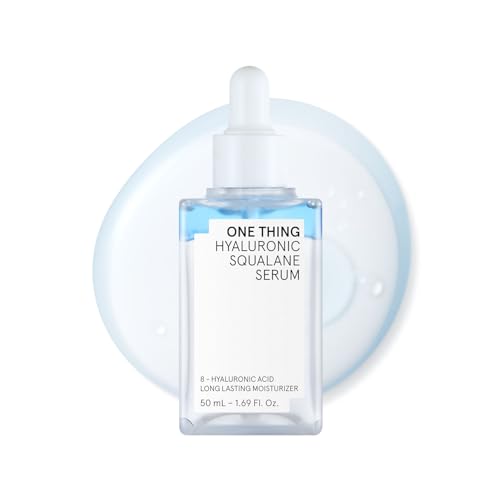
ONE THING Hyaluronic Squalane Serum (1.69 fl.oz
A reliable pick for ONE THING Hyaluronic Squalane Serum, selected based on this article's guidance.

The Ordinary 100% Plant-Derived Squalane, for Skin
A reliable pick for The Ordinary 100% Plant-Derived Squalane, selected based on this article's guidance.
Final Verdict & Decision Framework

Quick Decision Checklist
Your goal is hydration without congestion. If you see Squalane, it is safe. If you see Squalene, look for a different product that has undergone the hydrogenation process.
Our Framework for Choosing
| User Goal | Recommended Path |
|---|---|
| Daily Hydration | Choose Squalane |
| Sensitive Skin | Choose Squalane |
| Laboratory Study | Consult Squalene protocols |
Frequently Asked Questions
Is Squalane the same as Squalene?
A: No, they are chemically different. Squalane is the stable, hydrogenated version of the unstable Squalene molecule.
Can I use pure Squalene on my face?
A: It is generally not recommended because it oxidizes quickly, which can cause breakouts and skin irritation.
What is the best source of Squalane?
A: Plant-derived options like olive oil or sugarcane are considered the most ethical and effective.
Is Squalane good for acne?
A: Yes, it is non-comedogenic and mimics natural sebum, making it safe for most acne-prone skin types.
How long does Squalane last?
A: Due to its saturation, it is highly stable and can last up to 24 months if stored in a cool, dark place.
Does Squalane feel greasy?
A: Most users find Squalane to be very lightweight and fast-absorbing compared to other natural facial oils.
Can I mix Squalane with other serums?
A: Yes, it acts as an excellent occlusive to lock in moisture after applying water-based treatments.
Why did brands stop using shark-derived versions?
A: Ethical concerns and the superior quality of plant-derived alternatives led to a massive industry shift away from marine sources.
Key Takeaways
- 1 Squalene is the unstable, natural precursor to the stable Squalane.
- 2 Squalane is the gold standard for cosmetic applications.
- 3 Hydrogenation is the process that makes Squalane safe for long-term use.
- 4 Always check labels to ensure you are buying the stable Squalane version.
- 5 Squalane is an effective, non-comedogenic hydration booster.
- 6 Look for sustainably sourced plant-based Squalane.
- 7 Avoid raw Squalene for topical skincare due to oxidation risks.
Conclusion
Deciding between these two variants is straightforward once you understand that Squalane is the evolved, stable version of the raw Squalene. For anyone looking to improve skin hydration, there is no contest; Squalane offers the reliability, shelf life, and safety required for modern skincare.
By choosing high-quality, plant-derived Squalane, you ensure that your skin receives consistent moisture without the risks associated with volatile, unstable lipids.
Prioritize stability and ethical sourcing to make your skincare journey both effective and sustainable.