When navigating the world of exfoliation, the debate between Pads vs other pore pads vs alternatives often leaves consumers struggling to identify the most effective delivery system for their unique skin concerns. Whether you are looking for convenience or high-potency customization, the method of application significantly influences product penetration and potential irritation levels.
Understanding this comparison matters because skin barrier health often depends on the frequency and delivery method of active ingredients like AHAs, BHAs, and PHA. While convenience-driven users might gravitate toward pre-soaked pads, those with sensitive skin or specific environmental concerns may find that liquid toners or targeted serums offer better control and value.
This guide breaks down the architecture, efficiency, and real-world utility of various application methods. By the end, you will be able to determine which format aligns with your skin type and lifestyle needs.
- Application consistency and product delivery efficiency.
- The cost-per-use comparison between pre-moistened pads and liquid alternatives.
- Environmental impact and sustainable skincare choices.
- Stability of active ingredients in various packaging formats.
- Risk of friction and manual irritation on sensitive skin types.
Overview & Head-to-Head Summary

Pre-Soaked Pore Pads
Pore pads are designed for speed and convenience, typically featuring a textured pad saturated with chemical exfoliants. They are popular for those on the go, providing a consistent dose of product per application, which eliminates the guesswork often associated with liquid solutions.
Liquid Exfoliants and Alternative Methods
Alternatives include liquid toners, gels, or serums applied via reusable cotton rounds or clean hands. This category allows for greater customization; you control exactly how much product is applied and can layer them more easily under other treatments like a Dark Spot Correcting Glow Serum.
| Feature | Pore Pads | Liquid Alternatives |
|---|---|---|
| Application Speed | Fast/Convenient | Moderate |
| Waste Generation | High | Low |
| Ingredient Stability | Lower | Higher |
| Customizability | Limited | High |
If you find that your skin feels tight or sensitive, transitioning from pads to a hand-applied liquid exfoliant can significantly reduce the mechanical friction that contributes to irritation.
Key Differences & Core Features

Design and Delivery Architecture
The primary difference lies in the delivery vehicle. Pads are designed for mechanical exfoliation combined with chemical activity, whereas liquid alternatives rely entirely on the chemical formulation and your choice of application material.
Cost and Environmental Footprint
Pore pads are inherently more expensive due to the cost of the manufacturing process for the pads themselves and the specialized packaging required to prevent evaporation. Liquid alternatives often provide a lower cost-per-ounce over time.
| Metric | Pore Pads | Liquid Alternatives |
|---|---|---|
| Convenience Rating | High | Medium |
| Material Waste | Single-Use | Minimal |
| Cost-Efficiency | Lower | Higher |
| Formula Potency | Standardized | Concentrated |
Performance & Real-World Analysis

Consistency in Daily Application
When evaluating which format works best for your routine, consistency is the metric that matters most. Pads ensure you never under- or over-apply, while liquids require a learning curve to determine how much product your skin truly needs.
Evaluating Long-Term Skin Barrier Health
Frequent use of textured pads can sometimes cause micro-tears or unnecessary redness, especially if the pad material is abrasive. Assessing your skin's reaction over a 14-day period is essential.
The most effective performance is achieved when the exfoliant is fully absorbed before applying your next step. Liquid formulas typically offer a faster, tack-free finish compared to some thicker pad essences.
Best Use Cases & Ideal Scenarios

When Option A Makes More Sense
Pore pads are ideal for frequent travelers or those with very little time in their morning routine who prioritize a "grab-and-go" solution. They are also excellent for clearing specific areas like the T-zone.
When Option B Makes More Sense
Liquid alternatives are better for individuals with sensitive skin who need to control the amount of acid applied or for those looking to be more eco-conscious and reduce daily waste.
When It Genuinely Doesn't Matter
For individuals with robust, non-sensitive skin, the performance difference between a high-quality pad and a liquid toner is negligible. Both will effectively deliver the active ingredients to the skin's surface.
Recommended Equipment & Solution
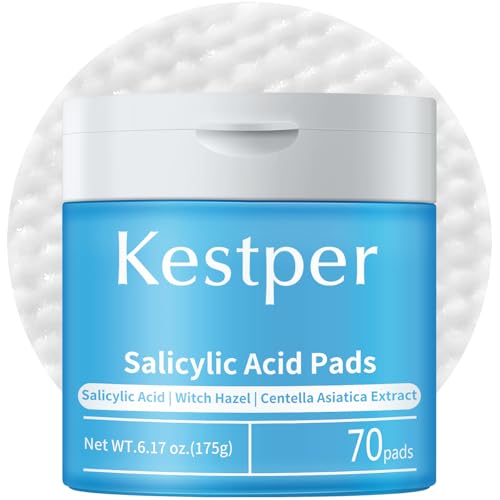
Kestper Salicylic Acid Exfoliating Facial Pads
A reliable pick for Kestper Salicylic Acid Exfoliating Facial, selected based on this article's guidance.

APPARENT. Pore Toner Pads, Gently Exfoliating Niacinamide
A reliable pick for APPARENT. Pore Toner Pads, Gently, selected based on this article's guidance.
Final Verdict & Decision Framework
Quick Decision Checklist
Before buying, ask yourself: Do I value convenience more than cost-efficiency? If yes, go with pads. Do I need to minimize waste and irritation? If yes, choose liquid alternatives.
Our Framework for Choosing
Our analysis suggests that your choice should be based on your specific lifestyle. Neither is universally better, but both serve distinct user priorities.
| User Goal | Recommended Method |
|---|---|
| Maximum Convenience | Pore Pads |
| Sensitivity Management | Liquid Alternatives |
| Environmental Impact | Liquid Alternatives |
| Budget Conscious | Liquid Alternatives |
Frequently Asked Questions
Do pore pads expire faster than liquid exfoliants?
A: Because pads are pre-soaked, they have a higher risk of evaporation if not sealed correctly, though most modern packaging is designed to prevent this.
Are there eco-friendly alternatives to single-use pads?
A: Yes, many brands now offer compostable pads or recommend applying liquid products using reusable silicone or bamboo rounds.
Can I use both in the same routine?
A: It is generally advised to stick to one exfoliating method to avoid over-exfoliation and compromising the skin barrier.
Which is better for oily skin?
A: Both formats work well, provided the ingredients (like BHA) are appropriate for your specific skin type and needs.
Do pads cause more breakouts?
A: For some, the mechanical friction of the pad can spread bacteria if used incorrectly or if the pad surface is too harsh.
Is the concentration the same in both?
A: Usually, yes, but liquid products sometimes allow for a more potent formula due to the lack of secondary material interference.
How do I store my products?
A: Always store your pads and liquids in a cool, dry place away from direct sunlight to maintain the stability of the active ingredients.
Which method is most cost-effective?
A: Liquid alternatives are almost always more cost-effective as you are not paying for the convenience of the pre-soaked application material.
Key Takeaways
- 1 Convenience and portability are the biggest advantages of pre-soaked pads.
- 2 Liquid alternatives offer superior value and long-term cost savings.
- 3 Mechanical irritation is a higher risk with textured pore pads.
- 4 Sustainable users should prioritize liquid formulas to reduce single-use waste.
- 5 Customization is much easier with liquid formats.
- 6 Both formats are equally effective if the active ingredients match your skin type.
- 7 Always patch test regardless of the application method you choose.
Conclusion
Choosing between pads vs other pore pads vs alternatives ultimately comes down to your personal workflow. If you are a minimalist who wants a quick, fuss-free step, the convenience of a pore pad is likely worth the premium cost. Conversely, if you prioritize control over your skin's health, or are looking to be more sustainable, liquid exfoliants are the superior choice.
Before settling on a product, evaluate how your skin responds to the act of application itself. Often, the choice is less about the chemical ingredients and more about the physical experience on your skin.
Selecting the right tool for your exfoliation needs is a foundational step toward long-term skin health.
📌 Pillar Resource: Read our complete complete Pads vs other pore pads review for in-depth insights.