Niacinamide has earned its place as a holy-grail ingredient in modern skincare, celebrated for its ability to refine pores, regulate oil, and soothe inflammation. However, maximizing the efficacy of this potent vitamin B3 derivative depends largely on your application strategy. Whether you are dealing with persistent breakouts or seeking a brighter, more even complexion, knowing exactly when to integrate this serum into your regimen is key. In this guide, we break down the optimal timing and layering techniques to ensure your skin receives the full transformative benefits that niacinamide has to offer every single day.
Key Takeaways

- 1. Niacinamide is highly versatile and can be applied twice daily, both in your morning and evening skincare routines.
- 2. Using it in the morning is ideal for antioxidant protection and controlling excess sebum production throughout the day.
- 3. Applying it at night supports skin barrier repair and recovery processes while you sleep.
- 4. Always apply niacinamide to clean, slightly damp skin after your toner but before heavier moisturizers and oils.
- 5. While generally non-irritating, it is best to avoid layering high concentrations of niacinamide directly with pure Vitamin C to prevent potential flushing.
- 6. Consistency is the most important factor; regular daily application yields the best results for texture refinement and pore minimization.
Morning vs. Evening: When Should You Apply Niacinamide?

One of the most common questions regarding niacinamide (Vitamin B3) is whether it is better suited for an AM or PM routine. The good news is that niacinamide is incredibly versatile and photostable, meaning it does not break down in sunlight or degrade upon exposure to air. This makes it a perfect candidate for both morning and evening application, depending on your primary skin goals.
Using niacinamide in the morning is highly recommended for those looking to combat environmental stressors. Because of its antioxidant properties, it helps shield the skin from free radicals generated by UV exposure and pollution. Furthermore, it regulates sebum production, which helps keep oily skin in check throughout the workday. Applying it before your sunscreen can provide an extra layer of protection while keeping your complexion matte.
In the evening, niacinamide works as a powerhouse for skin repair and recovery. During sleep, your skin’s cell turnover rate increases, and niacinamide supports this process by strengthening the lipid barrier and reducing inflammation. If you are struggling with post-inflammatory hyperpigmentation or acne scarring, nighttime application allows the ingredient to work uninterrupted alongside your skin’s natural regenerative cycles. Ultimately, you do not need to choose; using it twice daily is safe for most skin types, provided your barrier remains healthy.
How to Layer Niacinamide with Your Other Skincare Products
The efficacy of your skincare routine often depends on the order of application. Niacinamide is a water-soluble ingredient, which means it should generally be applied after cleansing and toning, but before heavier creams and oils. Think of it as a bridge between your lighter serums and your moisturizing sealants.
When layering, consider these general guidelines to ensure maximum absorption and minimal interference:
- Consistency Rule: Apply products from the thinnest consistency to the thickest. Niacinamide serums are usually lightweight, so they typically follow toners or essences.
- The Vitamin C Debate: While older literature suggested avoiding niacinamide and Vitamin C together, modern, stabilized formulations make this pairing safe for most. If you have sensitive skin, however, apply Vitamin C first, wait five minutes, and then apply niacinamide to avoid potential flushing.
- Retinoids and Acids: Niacinamide is the perfect companion for retinoids or AHAs/BHAs. Because it is soothing, it can actually help buffer the potential irritation caused by stronger actives.
To visualize how to integrate niacinamide, refer to this standard layering sequence:
| Step | Product Type |
|---|---|
| 1 | Cleanser |
| 2 | Toner/Essence |
| 3 | Niacinamide Serum |
| 4 | Treatment (Retinol/Vitamin C) |
| 5 | Moisturizer/SPF |
Expert Tips for Avoiding Irritation and Boosting Absorption

While niacinamide is generally well-tolerated, some individuals experience a "niacin flush"—a temporary reddening or tingling sensation. This is often not a true allergy, but rather a reaction to a high concentration or a low pH environment. If you are prone to sensitivity, start with a 5% concentration rather than the 10% or 20% options currently flooding the market; research shows that 2-5% is highly effective without the associated risks of irritation.
To boost absorption and minimize reactivity, consider the following expert strategies:
- Damp Skin Application: Applying your serum to slightly damp skin (after toning) can increase permeability, allowing the niacinamide to penetrate deeper. However, if your skin is reactive, apply it to completely dry skin to slow the absorption rate and prevent irritation.
- The Patch Test: Always test a new product on your inner forearm or behind the ear for 48 hours. If you experience no redness or itching, it is likely safe for your face.
- Wait Time: If you are pairing niacinamide with potent acids (like Glycolic or Salicylic acid), wait at least 10 minutes between applications. This allows the skin’s pH to normalize, which prevents the niacinamide from converting into nicotinic acid—the primary cause of the stinging flush sensation.
Lastly, pay attention to the formula’s vehicle. Serums that include soothing agents like hyaluronic acid, glycerin, or ceramides often enhance the tolerability of niacinamide, making them better choices for beginners.
Tailoring Your Routine: Niacinamide for Different Skin Types
While niacinamide is generally well-tolerated, some individuals experience a "niacin flush"—a temporary reddening or tingling sensation. This is often not a true allergy, but rather a reaction to a high concentration or a low pH environment. If you are prone to sensitivity, start with a 5% concentration rather than the 10% or 20% options currently flooding the market; research shows that 2-5% is highly effective without the associated risks of irritation.
To boost absorption and minimize reactivity, consider the following expert strategies:
Damp Skin Application: Applying your serum to slightly damp skin (after toning) can increase permeability, allowing the niacinamide to penetrate deeper. However, if your skin is reactive, apply it to completely dry skin to slow the absorption rate and prevent irritation.
The Patch Test: Always test a new product on your inner forearm or behind the ear for 48 hours. If you experience no redness or itching, it is likely safe for your face.
Wait Time: If you are pairing niacinamide with potent acids (like Glycolic or Salicylic acid), wait at least 10 minutes between applications. This allows the skin’s pH to normalize, which prevents the niacinamide from converting into nicotinic acid—the primary cause of the stinging flush sensation.
Lastly, pay attention to the formula’s vehicle. Serums that include soothing agents like hyaluronic acid, glycerin, or ceramides often enhance the tolerability of niacinamide, making them better choices for beginners.
Tailoring Your Routine: Niacinamide for Different Skin Types]
Niacinamide is a rare "universal" ingredient, but how you use it should shift based on your unique skin type. By customizing the frequency and concentration, you can target specific concerns without overwhelming your skin barrier. Below is a breakdown of how to tailor your niacinamide usage:
Oily and Acne-Prone Skin: These skin types benefit most from the sebum-regulating properties of niacinamide. Use it twice daily in your AM and PM routines. Look for a 10% concentration, which has been shown in clinical studies to significantly reduce sebum production and minimize the appearance of enlarged pores. Pairing it with a salicylic acid wash creates an effective anti-acne regimen.
Dry and Dehydrated Skin: For those with dry skin, the focus should be on barrier support. Niacinamide increases ceramide production, which is vital for moisture retention. If your skin is dry, limit application to once daily—preferably in the evening—and choose a serum that includes humectants like glycerin or panthenol. Always follow with a rich, occlusive moisturizer to lock in the hydration.
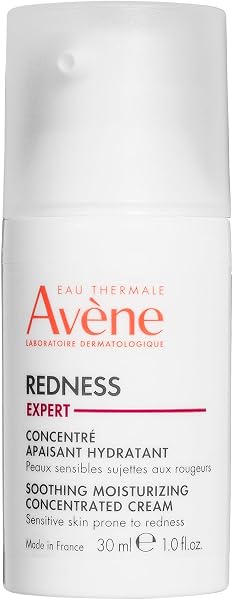
Sensitive and Rosacea-Prone Skin: Sensitivity requires a "less is more" approach. Stick to a 2-5% concentration. Avoid applying it immediately after exfoliation or while the skin is actively inflamed. When the skin is calm, niacinamide can actually help decrease overall redness and reinforce a weakened barrier, making it an excellent long-term therapeutic choice for hypersensitive complexions.
Frequently Asked Questions
Can I use niacinamide serum both morning and night?
A: Yes, niacinamide is gentle enough for twice-daily application to maintain consistent oil control and barrier support.
Should I apply niacinamide before or after my moisturizer?
A: Apply niacinamide to clean, dry skin before your moisturizer to ensure maximum absorption of the active ingredients.
Is morning the best time to apply niacinamide for sun protection?
A: Using niacinamide in the morning is ideal because its antioxidant properties help mitigate environmental damage from UV exposure throughout the day.
Does using niacinamide at night provide better skin repair?
A: Nighttime application allows niacinamide to work undisturbed during your skin's natural circadian repair phase, effectively calming inflammation and redness.
Should I wait for my niacinamide serum to dry before applying other products?
A: Yes, wait approximately 60 seconds or until the serum feels tacky-dry to prevent pilling when layering subsequent serums or creams.
Is there a specific time to use niacinamide if I have oily skin?
A: Morning application is most beneficial for oily skin, as it helps regulate sebum production and keeps shine at bay throughout your daily activities.
Niacinamide stands out as a foundational ingredient in modern skincare due to its remarkable ability to improve the skin barrier, reduce hyperpigmentation, and regulate oil. By incorporating it into both your morning and evening routines, you provide your skin with consistent support that defends against environmental stressors during the day and facilitates essential repair overnight. Its compatibility with most other active ingredients makes it an easy addition to any existing regimen, regardless of your specific skin type or concerns.
To achieve the best results, remember that skincare is a marathon rather than a sprint. While niacinamide is highly effective, its benefits—such as tightened pores and a more even skin tone—become most apparent through dedicated, long-term application. Always prioritize quality, sun protection, and a balanced approach, ensuring that your skin receives the nourishment it needs to remain healthy, hydrated, and resilient against daily challenges.