Navigating skincare during pregnancy can feel overwhelming, especially when you are trying to maintain your glow while prioritizing safety. Vitamin C is a powerhouse antioxidant known for brightening skin and boosting collagen, but not all formulas are created equal when you're expecting. Choosing the right product requires careful scrutiny of ingredients to ensure they are both effective and completely safe for you and your baby. In this guide, we break down the best vitamin C serum safe for pregnancy options, helping you achieve a radiant, healthy-looking complexion with complete peace of mind throughout all three trimesters.
Key Takeaways

- 1. Vitamin C is generally considered safe and beneficial during pregnancy, as it helps combat hyperpigmentation (melasma) and supports collagen production.
- 2. Opt for stable derivatives like Magnesium Ascorbyl Phosphate or Ascorbyl Glucoside, which are less irritating than pure L-Ascorbic Acid.
- 3. Always avoid Vitamin C serums that contain high concentrations of retinol or synthetic fragrances, as these ingredients are often discouraged during pregnancy.
- 4. Look for clean, pregnancy-safe brands that prioritize transparency and avoid known endocrine disruptors or parabens.
- 5. Patch testing is essential, as hormonal shifts during pregnancy can make your skin significantly more reactive or sensitive than usual.
- 6. Pair your Vitamin C serum with a mineral-based physical sunscreen (zinc oxide or titanium dioxide) for maximum protection against pregnancy-related skin darkening.
Why Vitamin C is a Pregnancy Skincare Essential

During pregnancy, hormonal fluctuations often trigger hyperpigmentation, commonly referred to as melasma or the "mask of pregnancy." Vitamin C is a potent antioxidant that serves as a cornerstone for addressing these concerns without relying on harsher alternatives like hydroquinone, which are typically discouraged during gestation. By inhibiting tyrosinase, the enzyme responsible for melanin production, Vitamin C helps brighten skin tone and fade dark spots, providing a safe, natural radiance that counteracts the dullness often associated with hormonal changes.
Beyond its brightening capabilities, Vitamin C is essential for collagen synthesis. As your body undergoes significant physical changes, maintaining skin elasticity is crucial. Vitamin C aids in the stabilization of collagen molecules, helping the skin remain resilient and firm. Furthermore, as an antioxidant, it acts as a protective shield against environmental stressors such as UV exposure and pollution, which can exacerbate skin inflammation and premature aging. For the expecting mother, incorporating a stable, high-quality Vitamin C serum provides a dual benefit: it addresses the aesthetic concerns of pregnancy glow while fortifying the skin’s structural integrity.
Key Ingredients to Avoid in Your Serum

During pregnancy, hormonal fluctuations often trigger hyperpigmentation, commonly referred to as melasma or the "mask of pregnancy." Vitamin C is a potent antioxidant that serves as a cornerstone for addressing these concerns without relying on harsher alternatives like hydroquinone, which are typically discouraged during gestation. By inhibiting tyrosinase, the enzyme responsible for melanin production, Vitamin C helps brighten skin tone and fade dark spots, providing a safe, natural radiance that counteracts the dullness often associated with hormonal changes.
Beyond its brightening capabilities, Vitamin C is essential for collagen synthesis. As your body undergoes significant physical changes, maintaining skin elasticity is crucial. Vitamin C aids in the stabilization of collagen molecules, helping the skin remain resilient and firm. Furthermore, as an antioxidant, it acts as a protective shield against environmental stressors such as UV exposure and pollution, which can exacerbate skin inflammation and premature aging. For the expecting mother, incorporating a stable, high-quality Vitamin C serum provides a dual benefit: it addresses the aesthetic concerns of pregnancy glow while fortifying the skin’s structural integrity.
Key Ingredients to Avoid in Your Serum]
When selecting a Vitamin C serum, it is equally important to scrutinize the accompanying ingredient list. While Vitamin C (Ascorbic Acid or its derivatives) is generally safe, many brightening serums are formulated with adjunct ingredients that pose potential risks during pregnancy. You must remain vigilant against chemicals that are absorbed systemically or are known teratogens.
Consult the following table to understand which common serum ingredients should be avoided:
| Ingredient | Reason for Avoidance |
|---|---|
| Retinoids (Retinol, Retinyl Palmitate) | Linked to birth defects; strictly prohibited. |
| Hydroquinone | High systemic absorption rate; safety profile is poor. |
| Phthalates & Parabens | Endocrine disruptors that may interfere with fetal development. |
| Salicylic Acid (High concentration) | Oral use is contraindicated; high concentrations topically should be limited. |
Always opt for "clean" formulations that prioritize stabilized Vitamin C, such as Sodium Ascorbyl Phosphate or Magnesium Ascorbyl Phosphate. These derivatives are often gentler on the skin, reducing the risk of irritation, which is particularly vital as pregnancy can make the skin more sensitive than usual. Avoid fragrances and synthetic dyes, as these can trigger contact dermatitis or allergies during this highly reactive period.
Top Rated Vitamin C Serums for Expecting Moms
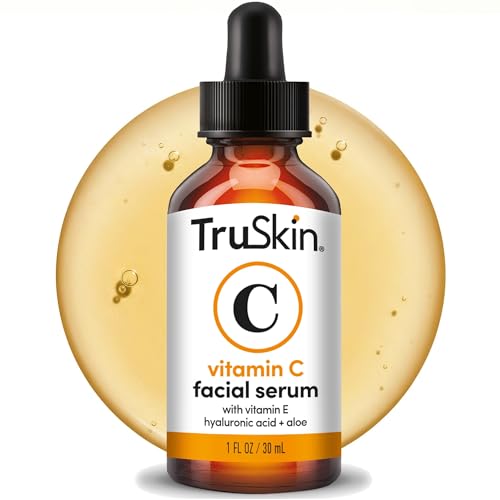
Finding a serum that balances efficacy with safety is the ultimate goal. The market is saturated with options, but for pregnancy, we prioritize products with short, transparent ingredient lists and clinically proven stability. The following selections are widely favored by dermatologists for their pregnancy-safe profiles and high performance.
- SkinCeuticals CE Ferulic: While powerful, some experts advise caution due to the potency of pure L-Ascorbic Acid. However, it remains the gold standard for antioxidant protection. Check with your OB-GYN before daily application.
- Mad Hippie Vitamin C Serum: This utilizes Sodium Ascorbyl Phosphate, a highly stable and non-irritating form of Vitamin C. It is enriched with Konjac root and Vitamin E, making it exceptionally hydrating for dry, pregnant skin.
- The Ordinary Magnesium Ascorbyl Phosphate 10%: A minimalist choice that offers brightening without the potential irritation of low-pH formulations. Its creamy, lightweight texture makes it perfect for sensitive skin.
- TruSkin Vitamin C Serum: A popular, budget-friendly option that uses a blend of Sodium Ascorbyl Phosphate, botanical hyaluronic acid, and witch hazel. It is plant-based and avoids heavy chemical preservatives.
Remember that "top-rated" is subjective to your specific skin needs. If you have active breakouts, look for serums that incorporate zinc or soothing botanicals alongside the Vitamin C to maintain a balanced complexion without the need for additional acne treatments that may be unsafe.
Tips for Safely Incorporating Vitamin C into Your Routine
Integrating a new product into your regimen while pregnant requires a slow and methodical approach. Your skin's barrier function can shift during pregnancy, potentially making you more susceptible to reactions. Start by performing a patch test on your inner forearm; wait 24 to 48 hours to ensure no redness or itching occurs before applying the serum to your face.
Once cleared for use, follow these best practices:
- Consistency is Key: Apply your serum in the morning on clean, dry skin. Vitamin C works synergistically with your daily SPF to neutralize free radicals generated by sunlight.
- Layering Order: Always apply your Vitamin C serum first after cleansing, allowing it to fully absorb for two to three minutes before applying moisturizer or sunscreen.
- Monitor pH Levels: If you use L-Ascorbic Acid, ensure your skin is dry. Wet skin can increase the penetration of acidic products, leading to unnecessary stinging or irritation.
- Listen to Your Skin: If you experience any persistent burning or peeling, discontinue use. Pregnancy is a temporary period of heightened sensitivity; your skin needs will likely return to normal post-partum.
Most importantly, prioritize sun protection. No Vitamin C serum can compensate for the lack of a broad-spectrum, mineral-based sunscreen. Using a physical blocker containing zinc oxide or titanium dioxide will provide the safest protection against pregnancy-induced melasma, working hand-in-hand with your Vitamin C serum.
Frequently Asked Questions
Is Vitamin C serum generally considered safe for use during pregnancy?
A: Yes, Vitamin C (ascorbic acid) is a topical antioxidant widely considered safe for pregnancy because it has a low systemic absorption rate.
Which form of Vitamin C is best for pregnant users with sensitive skin?
A: Magnesium Ascorbyl Phosphate is the ideal derivative for pregnancy, as it is highly stable and significantly less irritating than pure L-ascorbic acid.
Are there any Vitamin C serum ingredients I must avoid while pregnant?
A: Avoid serums that include Vitamin A derivatives like retinol or harsh chemical preservatives, which are contraindicated for expectant mothers.
Why is Vitamin C recommended for pregnancy-related hyperpigmentation?
A: Vitamin C helps brighten skin and fade melasma—often called the 'mask of pregnancy'—by inhibiting melanin production without the risks associated with hydroquinone.
How can I tell if my Vitamin C serum is pregnancy-safe based on the label?
A: Check the ingredient list for clinical-grade L-ascorbic acid or stable derivatives, ensuring there are no hidden retinoids or phthalates listed.
Can I use a high-concentration L-ascorbic acid serum while pregnant?
A: While high-concentration L-ascorbic acid is generally safe, it may trigger irritation or stinging due to increased hormonal skin sensitivity during pregnancy.
Incorporating a high-quality Vitamin C serum into your pregnancy skincare routine is a safe and effective way to manage the hormonal skin changes often referred to as the "pregnancy glow" or, conversely, pregnancy-induced hyperpigmentation. By choosing stable, low-irritation formulas and verifying that your product is free from harsh additives, you can successfully brighten your complexion while keeping your skin barrier healthy and protected throughout all three trimesters.
Ultimately, pregnancy is a time of significant physiological change, and your skin deserves a gentle, consistent approach. While Vitamin C is a powerhouse for antioxidant protection, always remember to pair it with a mineral-based sunscreen to prevent further pigmentation. When in doubt, consult with your OB-GYN or a dermatologist to ensure your specific serum aligns perfectly with your individual needs and safety requirements.