Vitamin C is widely celebrated as the gold standard for brightening dull complexions and protecting the skin against environmental stressors. However, many skincare enthusiasts wonder: can vitamin c serum cause dry skin? While this potent antioxidant offers transformative anti-aging benefits, it is also a highly acidic ingredient that can disrupt the skin barrier if used incorrectly. Whether you are dealing with mild flaking or persistent tightness, understanding the science behind your serum is essential. In this guide, we explore why this popular treatment sometimes causes dryness and how to integrate it safely into your daily routine.
Key Takeaways

- 1. High concentrations of L-ascorbic acid (usually above 15%) can sometimes disrupt the skin barrier, leading to dehydration or flaking in sensitive skin types.
- 2. Low pH formulations are necessary for stability and penetration, but this inherent acidity can act as an exfoliant, potentially causing dryness if the skin's moisture barrier is already compromised.
- 3. Dryness may be a side effect of accompanying ingredients like denatured alcohol or preservatives found in some unstable serum formulations.
- 4. Beginners should start with a lower percentage of Vitamin C and introduce it gradually to allow the skin to acclimate and minimize irritation-induced dryness.
- 5. Properly layering a hydrating moisturizer or a ceramide-rich cream over your Vitamin C serum is essential to lock in hydration and prevent trans-epidermal water loss.
- 6. If dryness persists, switching to more stable, less acidic Vitamin C derivatives like sodium ascorbyl phosphate or tetrahexyldecyl ascorbate can provide benefits without the irritation.
Why Vitamin C Serum Can Trigger Dryness

Think your glow-up serum is the culprit behind your tight, flaky complexion? You aren’t imagining things. While Vitamin C is the gold standard for brightening, it can absolutely trigger dryness if your skin barrier isn't ready for the heavy lifting.
The primary reason boils down to chemistry. Most high-performance Vitamin C serums (specifically L-ascorbic acid) require a low pH level—typically below 3.5—to penetrate effectively. This acidic environment can disrupt your skin’s natural lipid barrier, leading to transepidermal water loss (TEWL). When your barrier is compromised, moisture evaporates faster, leaving you with that dreaded sandpaper texture.
Furthermore, many potent formulas contain high concentrations of solvents like alcohol or penetration enhancers to stabilize the volatile Vitamin C molecule. While these help with absorption, they can be incredibly stripping for sensitive or dehydrated skin types.
So, do you have to break up with your glow? Not necessarily. If your serum is causing irritation, try these three expert hacks:
- The Buffer Method: Apply your serum over a lightweight, hydrating toner rather than on bare, damp skin.
- Wait It Out: Let your serum absorb for 5–10 minutes before layering on a ceramides-rich moisturizer to "seal" the moisture in.
- Ease Into It: If you’re a beginner, swap the 20% concentration for a gentler Vitamin C derivative like Sodium Ascorbyl Phosphate.
Consistency is key, but don't force a product that leaves your skin parched. Listen to your barrier—it’s the only one you’ve got.
Identifying Ingredients That Exacerbate Dehydration
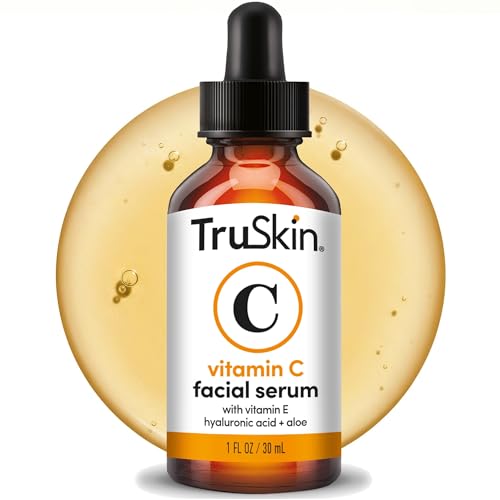
Think your glow-up serum is the culprit behind your tight, flaky complexion? You aren’t imagining things. While Vitamin C is the gold standard for brightening, it can absolutely trigger dryness if your skin barrier isn't ready for the heavy lifting.
The primary reason boils down to chemistry. Most high-performance Vitamin C serums (specifically L-ascorbic acid) require a low pH level—typically below 3.5—to penetrate effectively. This acidic environment can disrupt your skin’s natural lipid barrier, leading to transepidermal water loss (TEWL). When your barrier is compromised, moisture evaporates faster, leaving you with that dreaded sandpaper texture.
Furthermore, many potent formulas contain high concentrations of solvents like alcohol or penetration enhancers to stabilize the volatile Vitamin C molecule. While these help with absorption, they can be incredibly stripping for sensitive or dehydrated skin types.
So, do you have to break up with your glow? Not necessarily. If your serum is causing irritation, try these three expert hacks:
The Buffer Method: Apply your serum over a lightweight, hydrating toner rather than on bare, damp skin.
Wait It Out: Let your serum absorb for 5–10 minutes before layering on a ceramides-rich moisturizer to "seal" the moisture in.
Ease Into It: If you’re a beginner, swap the 20% concentration for a gentler Vitamin C derivative like Sodium Ascorbyl Phosphate.
Consistency is key, but don't force a product that leaves your skin parched. Listen to your barrier—it’s the only one you’ve got.
Identifying Ingredients That Exacerbate Dehydration]
While Vitamin C is a gold-standard antioxidant for brightening and collagen production, it is often a silent culprit behind sudden skin tightness and flaking. The primary issue isn’t always the Vitamin C itself, but the delivery system and formulation surrounding it.
Most high-potency serums utilize L-ascorbic acid, which requires a low, acidic pH (typically below 3.5) to penetrate the skin barrier effectively. If your skin barrier is already compromised, this extreme acidity can cause immediate transepidermal water loss (TEWL), leaving your complexion feeling stripped and parched.
To identify if your serum is exacerbating dehydration, audit your ingredient label for these common "drying triggers":
- Denatured Alcohol (Alcohol Denat/SD Alcohol): Often added to give Vitamin C serums a "weightless" feel, this ingredient evaporates rapidly, pulling essential moisture out of the skin along with it.
- High Concentrations of Ferulic Acid: While it stabilizes Vitamin C, in very high percentages, it can be irritating for sensitive or reactive skin types, leading to a dehydrated, "tight" sensation.
- Exfoliating Acids (AHA/BHA): Many "brightening" formulas combine Vitamin C with glycolic or salicylic acid. This cocktail is often too aggressive for daily use, causing micro-damage that prevents your skin from retaining hydration.
If your serum leaves your skin feeling desert-dry, don't ditch the antioxidant—switch the vehicle. Opt for oil-soluble derivatives like Tetrahexyldecyl (THD) Ascorbate, which are pH-neutral and significantly gentler on the barrier.
How to Use Vitamin C Without Compromising Your Moisture Barrier

If your skin feels tight, flaky, or sensitive after applying Vitamin C, you aren’t imagining things. While this antioxidant is the gold standard for brightening, its low pH—essential for stability—can occasionally disrupt your delicate moisture barrier if introduced too aggressively. The culprit is often L-ascorbic acid, the most potent but acidic form of the vitamin.
You don't need to ditch your glow-getter; you just need a tactical strategy. Follow these expert tips to reap the benefits without the dry-down:
- Start Low and Slow: Don’t jump straight into 20% concentrations. Opt for a 5–10% formula to allow your skin to acclimatize.
- The "Damp Skin" Rule: Apply your serum to slightly damp skin to enhance absorption and mitigate irritation.
- Layering is Key: If your skin is sensitive, try the "buffering" technique. Apply a lightweight, hydrating essence or a thin layer of hyaluronic acid before your Vitamin C to create a protective cushion.
- Seal the Deal: Never skip the moisturizer. Follow up immediately with a ceramide-rich cream to lock in hydration and fortify your lipid barrier.
- Consistency over Intensity: You don't need to use it twice daily. Applying Vitamin C every other morning is often more than enough to maintain results while keeping your skin barrier happy and intact.
Remember, a healthy glow is never worth the price of a compromised barrier. If irritation persists, switch to a milder derivative like sodium ascorbyl phosphate.
Best Practices for Layering Serums and Moisturizers
Ever noticed a tight, parched feeling after applying your favorite vitamin C serum? You aren't imagining it. While vitamin C is the gold standard for brightening, its acidic pH can disrupt your skin’s moisture barrier if not handled correctly. When left to dry down completely on bare skin, it can inadvertently strip away natural oils, leading to that dreaded crepey texture.
The secret to reaping the glow without the dehydration isn't ditching the product—it’s mastering the "Damp-to-Seal" technique.
Instead of applying your serum to bone-dry skin, mist your face with a hydrating toner or thermal water first. Applying actives to slightly damp skin improves penetration and prevents the “wicking” effect where the serum pulls moisture out of your skin. More importantly, never leave your serum "naked." You must follow up with a barrier-reinforcing moisturizer immediately while your skin is still tacky.
Look for moisturizers packed with ceramides, squalane, or hyaluronic acid to act as an occlusive seal, locking in the serum’s benefits while cushioning your skin against irritation. If you have particularly reactive skin, try the “sandwich method”: a thin layer of light moisturizer, your vitamin C, and then a final, heavier layer of cream. By prioritizing hydration immediately after your active, you’ll neutralize the drying side effects and achieve that coveted, glass-skin radiance—minus the tightness.
Frequently Asked Questions
Can vitamin C serum actually cause dry skin?
A: Yes, high-concentration vitamin C, specifically L-ascorbic acid, can lower the skin's pH significantly, leading to temporary dryness, flaking, or irritation.
Why does my skin feel tight after applying vitamin C?
A: The tight sensation is often caused by the acidic nature of L-ascorbic acid, which can disrupt the skin barrier and cause transepidermal water loss.
Does the concentration of vitamin C affect skin dryness?
A: Higher concentrations, typically those exceeding 15% or 20%, are much more likely to trigger dryness and sensitivity compared to lower, more stable percentages.
Can I use vitamin C if I already have naturally dry skin?
A: Yes, but you should opt for gentler, oil-soluble derivatives like tetrahexyldecyl ascorbate, which are less acidic and more hydrating than pure ascorbic acid.
Should I apply moisturizer after vitamin C to prevent dryness?
A: Applying a ceramide-rich moisturizer immediately after your serum helps seal in hydration and rebuild the barrier stripped by the acidic formula.
Can the frequency of vitamin C application lead to dry skin?
A: Daily application can be too harsh for some; reducing usage to every other day allows your skin barrier time to recover and retain its natural moisture.
While Vitamin C is a powerhouse for brightening and antioxidant protection, its acidic nature can occasionally lead to dryness for those with sensitive or compromised skin barriers. This reaction is frequently caused by high-potency L-ascorbic acid formulas that lower the skin's pH too drastically, or by secondary ingredients that may dry out the surface of the dermis. Identifying the right formulation and concentration for your specific skin type is key to enjoying the benefits of the serum without sacrificing comfort.
To mitigate these side effects, focus on integrating a robust moisturizing routine, specifically using products rich in ceramides, lipids, and humectants. If your skin continues to react poorly to traditional acidic formulas, opting for stabilized, oil-soluble derivatives can offer a gentler path toward achieving a radiant, even-toned complexion. Always listen to your skin's cues; if persistent flaking or irritation occurs, pause the treatment and prioritize barrier repair before reintroducing the active.