Finding the right dandruff shampoo can be a transformative experience for your hair and scalp hygiene, and these 10 actionable tips will help you navigate the process effectively. Whether you are dealing with seasonal dryness or chronic flaking, the right approach makes all the difference.
Maintaining a healthy scalp environment prevents long-term damage and enhances hair vitality. By following these evidence-based strategies, you can improve your scalp condition and ensure your haircare routine is as efficient as possible.
Tip 1: Match the Active Ingredient to Your Needs
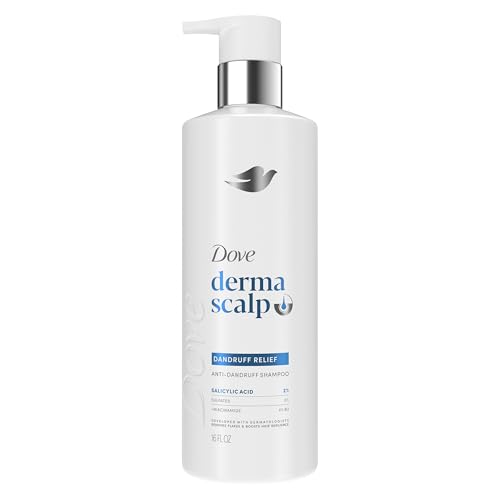
Identify Your Primary Scalp Concern
Dandruff shampoo formulations vary significantly based on the active ingredient they contain. Ketoconazole is often recommended for fungal-related flaking, while salicylic acid helps exfoliate buildup, and selenium sulfide assists in slowing down skin cell turnover.
Tailor Selections Based on Severity
Assessing the severity of your flakes helps determine if you need a clinical-strength product or a gentler, maintenance-focused option. Consult the label to ensure you aren't over-treating a simple dry scalp, which may require moisture rather than aggressive medicated agents.
Tip 2: Rotate Your Dandruff Shampoo Formulas

Avoid Ingredient Tolerance
Over time, your scalp may become accustomed to a specific active ingredient, leading to reduced efficacy. For better results, keep a secondary option available. You can also explore best ghk cu peptide serum: Improve Skin Texture and Hair Vitality 2026 to support overall scalp resilience.
Establishing a Balanced Schedule
Alternate between a specialized medicated shampoo and a gentle, balancing cleanser. This cycle helps maintain a healthy microbiome while keeping irritation to a minimum throughout the week.
Tip 3: Master the Application Technique

Target the Scalp Directly
The goal is to treat the skin, not the hair strands. Apply the product directly to the scalp by parting your hair in sections and focusing on the areas with the most visible flaking.
Distribution for Maximum Efficacy
Tip: Use a fine-toothed comb to gently distribute the lather across your scalp, ensuring the active ingredients reach the root of the problem without tangling your hair.
Tip 4: Allow for Sufficient Contact Time

The Importance of Waiting
Many users rinse their shampoo immediately, which prevents the active ingredients from working. For most formulas, allow the shampoo to sit on the scalp for 3 to 5 minutes before rinsing.
Maximizing Therapeutic Benefit
This "dwell time" is crucial for medicated components to penetrate the skin barrier and neutralize yeast or dissolve dead skin cells. Always check the manufacturer's specific instructions for the optimal duration.
Recommended Equipment & Solution

Nizoral Anti-Dandruff Shampoo with 1% Ketoconazole, Fresh
A reliable pick for Nizoral Anti-Dandruff Shampoo with 1%, selected based on this article's guidance.

Nizoral Anti-Dandruff Shampoo, 1% Ketoconazole Dandruff Treatment
A reliable pick for Nizoral Anti-Dandruff Shampoo, 1% Ketoconazole, selected based on this article's guidance.
Tip 5: Focus on Scalp Massage Efficiency

Stimulating Circulation
Gentle massage improves blood flow and helps loosen stubborn flakes. Pair this with hydrating treatments like the First Aid Beauty Hydrating Serum with Hyaluronic Acid Reviews for Glowing Skin to soothe the skin barrier.
Step-by-Step Scalp Care
Tip 6: Rinse Thoroughly to Prevent Buildup
Eliminating Residue
Leaving residue behind can actually worsen scalp irritation and cause further flaking. Ensure you rinse until the water runs completely clear, paying attention to the nape of the neck.
Comparison of Rinsing Agents
| Method | Benefit | Best For |
|---|---|---|
| Cold Rinse | Seals cuticles | Shiny hair |
| Tepid Rinse | Removes buildup | Sensitive scalps |
Warning: Avoid extremely hot water, as it can strip natural oils and exacerbate itching associated with dandruff.
Tip 7: Use Lukewarm Water for Washing
Protecting Scalp Integrity
Hot water is a major contributor to scalp dryness. By opting for lukewarm water, you preserve the scalp's natural lipid barrier while allowing the active ingredients in your shampoo to remain effective.
Consistency is Key
Consistently using moderate temperatures prevents sudden changes in scalp hydration, which helps minimize the onset of new flakes.
Tip 8: Maintain Scalp Hydration Levels
Balancing Moisture and Meds
Anti-dandruff treatments can be drying. Incorporate a light, scalp-safe moisturizer or serum, such as PCA Skin Hyaluronic Acid Boosting Serum Reviews: 2026 Analysis, to keep the skin supple.
Hydration Internal and External
Drink plenty of water and use products designed to balance sebum production. A hydrated scalp is less likely to produce excessive, flaky skin cells.
Tip 9: Track Your Progress Regularly
Monitoring Improvement
Keep a simple log of how often you use your chosen dandruff shampoo and the visible results over a 4-week period. This data helps you decide if a product is working or if a change is needed.
Success Tip: Taking photos of your scalp every week can help you objectively track reduction in redness and flaking that might otherwise go unnoticed.
Tip 10: Know When to Consult a Professional
Persistent Issues
If you have used a medicated shampoo for 6-8 weeks with no improvement, you may be dealing with a condition like psoriasis or seborrheic dermatitis rather than standard dandruff.
Professional Guidance
A dermatologist can provide a definitive diagnosis and prescribe targeted treatments that are not available over the counter. Do not hesitate to seek help if symptoms become painful or inflamed.
Common Mistakes to Avoid
Frequently Asked Questions
How often should I use dandruff shampoo?
A: For mild cases, 2-3 times a week is usually sufficient. Consult your specific product label for recommended frequency.
Can dandruff shampoo cause hair loss?
A: No, medicated shampoos are formulated to be safe. However, over-washing or using harsh products can lead to breakage.
Is it safe to use dandruff shampoo on color-treated hair?
A: Look for "color-safe" labels, as some medicated ingredients can strip dye from the hair strands.
What is the difference between dry scalp and dandruff?
A: Dry scalp involves small, white, dry flakes, while dandruff often presents as larger, oily, yellow-tinged flakes.
Should I use conditioner after my treatment?
A: Yes, apply conditioner only to the lengths and ends of your hair to keep it hydrated without adding oil to the scalp.
Can stress cause dandruff?
A: Yes, stress can weaken the immune system and influence scalp oil production, potentially triggering flare-ups.
Are natural oils better than medicated shampoo?
A: Natural oils like tea tree can help, but they are often less effective than clinically proven anti-dandruff ingredients.
How long until I see results?
A: Most people begin to see a reduction in flaking within 2 to 4 weeks of consistent, correct use.
Key Takeaways
- 1 Choose the right active ingredient for your specific scalp type.
- 2 Rotate between treatment and gentle cleansing to avoid tolerance.
- 3 Always allow your shampoo to sit for 3-5 minutes before rinsing.
- 4 Use your fingertips, not fingernails, to massage the scalp.
- 5 Always rinse with lukewarm, not hot, water.
- 6 Track your progress over a 4-week cycle to evaluate success.
- 7 Seek professional medical advice if symptoms persist after two months.
Conclusion
Effective management of your scalp health requires a blend of consistency, the right tools, and an understanding of your unique hair needs. By prioritizing these 10 tips, you can reclaim your comfort and maintain a healthy, flake-free scalp throughout the year.
For more insights into keeping your hair and skin balanced, you might also find value in our guide on fenty skin niacinamide dark spot serum: Even Skin Tone Solutions 2026.
With a methodical approach, achieving a healthier scalp is well within reach.