Achieving an even skin tone is a common skincare goal, especially when addressing stubborn hyperpigmentation on melanin-rich skin. Vitamin C has emerged as a gold-standard ingredient for its ability to brighten the complexion and neutralize free radicals. However, understanding the visible impact of a dark spots vitamin c serum before and after black skin is essential for managing expectations. Because deeper skin tones are more prone to post-inflammatory hyperpigmentation, choosing the right formulation is critical. This guide explores the science behind Vitamin C, how to incorporate it into your routine, and the timeline for seeing real results.
Key Takeaways

- 1. Vitamin C is highly effective for black skin because it inhibits tyrosinase, the enzyme responsible for melanin production, which helps fade hyperpigmentation without bleaching natural skin tones.
- 2. Consistency is the most critical factor in achieving visible "after" results, as melanin regulation typically requires 8 to 12 weeks of daily application to show a noticeable reduction in dark spots.
- 3. L-ascorbic acid is the most potent form of Vitamin C, but it can be irritating; sensitive skin types should opt for stable derivatives like Tetrahexyldecyl (THD) ascorbate or Sodium Ascorbyl Phosphate.
- 4. Proper layering is essential; apply the serum to clean, dry skin before moisturizer and always follow with an SPF 30+ sunscreen, as Vitamin C can make skin more photosensitive and unprotected skin will re-darken.
- 5. Look for serums formulated with supporting ingredients like Ferulic Acid and Vitamin E, which stabilize the Vitamin C molecule and enhance its penetration into the deeper layers of the epidermis.
- 6. Monitoring shelf life is vital; if the serum turns orange or brown, it has oxidized and lost its efficacy, meaning it will no longer provide the antioxidant benefits required to treat dark spots.
Understanding Hyperpigmentation in Melanin-Rich Skin
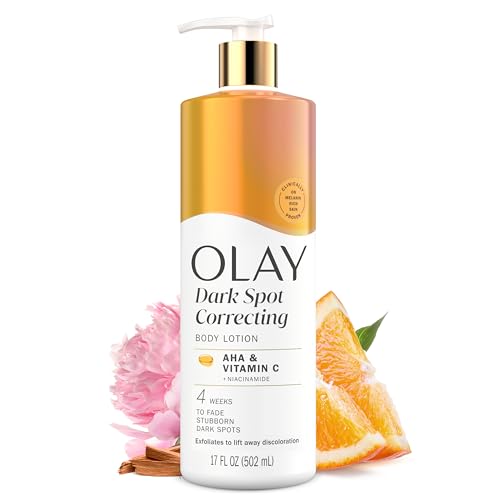
Hyperpigmentation in melanin-rich skin is a complex biological process that manifests differently than it does in lighter skin tones. For those with deeper complexions, the skin is more reactive to inflammation, which is the primary catalyst for post-inflammatory hyperpigmentation (PIH). Whether caused by acne breakouts, sun damage, or even minor skin trauma, the melanocytes—the cells responsible for producing pigment—often go into overdrive, resulting in stubborn dark spots that can linger for months or even years.
Because melanin-rich skin has a higher density of pigment, the process of healing often leaves behind "staining" where the inflammatory response occurred. It is not just about the darkening; it is about the internal cycle of oxidative stress. To effectively treat these spots, you need more than just a lightener; you need a strategy that calms inflammation while simultaneously blocking the overproduction of pigment. Understanding your skin's unique threshold for sensitivity is the first step toward correcting these marks without triggering a new cycle of inflammation.
| Common Triggers | Skin Response |
|---|---|
| Acne Breakouts | PIH (Post-Inflammatory Hyperpigmentation) |
| Sun Exposure | Solar Lentigines/Melasma |
| Physical Friction | Post-Inflammatory Erythema/Pigment |
Why Vitamin C Is a Game Changer for Dark Spots
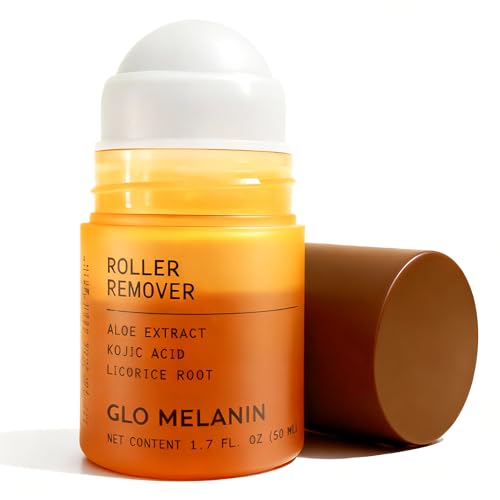
Hyperpigmentation in melanin-rich skin is a complex biological process that manifests differently than it does in lighter skin tones. For those with deeper complexions, the skin is more reactive to inflammation, which is the primary catalyst for post-inflammatory hyperpigmentation (PIH). Whether caused by acne breakouts, sun damage, or even minor skin trauma, the melanocytes—the cells responsible for producing pigment—often go into overdrive, resulting in stubborn dark spots that can linger for months or even years.
Because melanin-rich skin has a higher density of pigment, the process of healing often leaves behind "staining" where the inflammatory response occurred. It is not just about the darkening; it is about the internal cycle of oxidative stress. To effectively treat these spots, you need more than just a lightener; you need a strategy that calms inflammation while simultaneously blocking the overproduction of pigment. Understanding your skin's unique threshold for sensitivity is the first step toward correcting these marks without triggering a new cycle of inflammation.
Common Triggers
Skin Response
Acne Breakouts
PIH (Post-Inflammatory Hyperpigmentation)
Sun Exposure
Solar Lentigines/Melasma
Physical Friction
Post-Inflammatory Erythema/Pigment
Why Vitamin C Is a Game Changer for Dark Spots]
Vitamin C, or L-ascorbic acid, is widely considered the gold standard for brightening, but its efficacy on deeper skin tones is unparalleled. Its mechanism of action is twofold: it functions as a potent antioxidant and a targeted pigment inhibitor. By neutralizing free radicals—the unstable molecules that accelerate skin damage—Vitamin C protects the skin from the environmental stressors that cause existing dark spots to darken further.
More importantly, Vitamin C inhibits the enzyme tyrosinase, which is the "master switch" for melanin production. By interfering with this enzyme, it prevents new dark spots from forming while gradually fading the intensity of existing ones. For melanin-rich skin, the brilliance of Vitamin C lies in its ability to provide a "glow" that corrects dullness and uneven tone, making the skin appear more vibrant and uniform. When choosing a formula, look for synergistic ingredients that stabilize the serum, such as:
- Ferulic Acid: Doubles the photoprotection and stability of Vitamin C.
- Vitamin E: Nourishes the skin barrier and provides anti-inflammatory support.
- Sodium Ascorbyl Phosphate: A gentler derivative for those with reactive skin.
How to Use Vitamin C Safely Without Irritation

The "burning" sensation often associated with high-potency Vitamin C serums is a common deterrent, especially for those with melanin-rich skin who may have a compromised barrier. Irritation in darker skin is particularly risky because it can lead to further inflammation, which ultimately generates more dark spots—the exact opposite of your goal. The key to successful, irritation-free application is a "start low and go slow" approach.
Begin by introducing a 10% concentration serum every other morning. Applying it to clean, slightly damp skin can increase absorption, but if your skin is prone to sensitivity, wait until the skin is completely dry to slow down the penetration rate. Always follow with a high-SPF, broad-spectrum sunscreen. Vitamin C makes the skin more susceptible to UV rays if left unprotected, and the sun is the primary driver of dark spot stubbornness. Follow this ritual:
- Cleanse: Use a gentle, pH-balanced cleanser.
- Apply: 3-4 drops of Vitamin C serum on the face and neck.
- Wait: Allow the serum to absorb for 60 seconds.
- Moisturize/Protect: Lock in hydration and always finish with SPF 30+.
Setting Realistic Timelines for Visible Transformation
Patience is the most underrated ingredient in any skincare regimen. When treating dark spots on melanin-rich skin, you are not just exfoliating the surface; you are influencing the cellular turnover cycle, which naturally takes about 28 to 40 days. Expecting overnight miracles often leads to product hopping, which only disrupts the skin barrier and delays healing. A consistent, long-term approach is the only way to see true, lasting results.
Most users can expect to see a subtle increase in overall radiance within the first two weeks of daily use. However, the visible fading of stubborn dark spots typically requires at least 8 to 12 weeks of consistent application. It is important to note that the depth of the pigment determines how quickly it fades. Superficial spots on the epidermis will clear much faster than deep-seated pigment in the dermis. Documenting your progress with photos taken in the same lighting every two weeks will help you stay motivated, as the day-to-day changes are often too subtle for the human eye to notice until you compare them over time.
- Weeks 1-4: Improved skin texture and increased natural glow.
- Weeks 5-8: Noticeable lightening of fresher, newer acne marks.
- Weeks 9-12+: Significant fading of deeper, long-standing hyperpigmentation.
Frequently Asked Questions
Why does melanin-rich skin require specific care when using Vitamin C for dark spots?
A: Deep skin tones are more prone to post-inflammatory hyperpigmentation (PIH), so using high-quality Vitamin C helps inhibit melanin overproduction to fade spots without causing further irritation.
How long does it typically take to see a visible difference in dark spots on Black skin?
A: Consistent daily application of a stable Vitamin C serum typically shows visible fading of dark spots after 8 to 12 weeks of regular use.
Can Vitamin C serum cause irritation that leads to more dark spots on melanated skin?
A: Using too high a concentration or an unstable formula can cause irritation, which triggers inflammation and potential new hyperpigmentation; always start with a lower percentage if you have sensitive skin.
What is the best concentration of Vitamin C for treating hyperpigmentation on Black skin?
A: A concentration between 10% and 15% is generally effective and safe for reducing dark spots on deeper skin tones while minimizing the risk of a sensitized skin barrier.
Should I use a Vitamin C serum in the morning or at night for optimal dark spot reduction?
A: Apply your Vitamin C serum in the morning to leverage its antioxidant properties, which shield your skin from pollution and UV-induced darkening throughout the day.
Is sunscreen necessary when using Vitamin C serum for hyperpigmentation?
A: Yes, sunscreen is mandatory daily, as Vitamin C works to fade existing dark spots while SPF prevents UV rays from darkening those spots further or causing new ones.
Achieving a clear, even complexion when treating dark spots on black skin requires a combination of patience and high-quality, stable formulations. Because deeper skin tones are prone to post-inflammatory hyperpigmentation (PIH), Vitamin C serves as a foundational treatment that addresses existing spots while providing a protective shield against future environmental damage. When integrated correctly into a routine that prioritizes hydration and aggressive sun protection, Vitamin C serums can significantly improve skin texture and brightness.
Ultimately, the "after" results you seek depend on your commitment to a long-term skincare regimen rather than a quick fix. By selecting the right concentration for your sensitivity level and ensuring your serum remains fresh and unoxidized, you can successfully fade stubborn dark spots. Remember that results are cumulative; by maintaining a daily habit and shielding your skin from harmful UV rays, you will foster a radiant, healthy, and more uniform skin tone over time.