Deciding between fragrance-free body lotions vs alternatives—such as fragranced moisturizers or natural body oils—often comes down to your skin's unique reactivity and your personal preference for scent. While some users prioritize clinical safety, others seek the aromatherapy benefits or sensory experience that scented products provide.
The confusion often stems from the marketing terminology used in the skincare industry. Labels like "unscented" are frequently mistaken for "fragrance-free," leading to irritation for those with sensitive skin. Understanding these distinctions is critical for maintaining a healthy moisture barrier without triggering adverse reactions.
This guide analyzes the performance, ingredient philosophy, and intended use cases for both categories. By the end, you will be equipped to select the moisturizer that best aligns with your dermatological needs and lifestyle.
- Ingredient safety and the potential for contact dermatitis.
- The sensory impact of natural vs. synthetic fragrances.
- Comparative cost-efficiency of lotions versus heavier alternatives.
- Environmental and sustainable sourcing factors.
- Long-term impact on skin barrier health.
Overview & Head-to-Head Summary

The Profile of Fragrance-Free Lotions
Fragrance-free lotions are formulated specifically to minimize the risk of allergic contact dermatitis. These products typically lack both synthetic perfumes and botanical extracts that can trigger sensitivities. They are the gold standard for clinical skincare routines, often recommended by dermatologists for patients with eczema, psoriasis, or highly reactive skin.
The Profile of Scented Alternatives
Alternatives, including fragranced body creams and botanical oils, prioritize the sensory experience. These products leverage essential oils or synthetic fragrance blends to create a pleasant olfactory profile. While they offer psychological benefits and aesthetic enjoyment, they carry a higher risk profile regarding skin irritation.
| Feature | Fragrance-Free | Scented Alternatives |
|---|---|---|
| Sensitivity Risk | Extremely Low | Moderate to High |
| Sensory Experience | Neutral/Clinical | Pleasant/Aromatherapy |
| Dermatologist Approval | Generally High | Case-by-Case |
| Ingredient Complexity | Low | High |
If you enjoy scent but have sensitive skin, look for products that use low-allergen fragrance components or natural fruit extracts rather than "parfum" or synthetic floral scents. For those interested in deeper skin care, Beauty Of Joseon Dynasty Cream: Is This Hanbang Moisturizer Worth the Hype? can provide context on how fragrance-free formulas compare to nutrient-dense, gentle alternatives.
Key Differences & Core Features

Ingredient Philosophy and Transparency
The core distinction lies in the ingredient label. Fragrance-free products avoid the umbrella term "parfum," which can hide hundreds of chemicals. Alternatives often include complex fragrance matrices that are proprietary, making it difficult for the consumer to identify specific irritants.
Long-Term Skin Barrier Interaction
Fragrance-free lotions are generally designed to be inert, meaning they support the moisture barrier without introducing potentially volatile compounds. Alternatives, while sometimes moisturizing, may introduce components that cause sub-clinical inflammation, which over time can lead to a compromised barrier.
| Metric | Fragrance-Free Focus | Alternative Focus |
|---|---|---|
| Primary Objective | Barrier Repair | Sensory Pleasure |
| Label Clarity | High | Low |
| Allergy Potential | Minimal | Variable |
Understanding these variances is essential when building a routine. For those struggling with skin texture issues, Axis Y Dark Spot Correcting Glow Serum: The Secret to Radiant, Even-Toned Skin offers a contrast between active-heavy products and simple moisturizers.
Performance & Real-World Analysis

Evaluating Skin Compatibility
Performance in a moisturizer is measured by its ability to prevent Transepidermal Water Loss (TEWL). Both categories can perform this task well, but the secondary effects—such as redness or itching—are where fragrance-free options usually pull ahead for sensitive users.
Practical Performance Testing
Fragrance-free lotions remain the most reliable choice for maintaining a baseline, healthy skin barrier, whereas scented alternatives are best treated as a variable to be removed if your skin shows signs of unexpected distress.
Best Use Cases & Ideal Scenarios

When Option A (Fragrance-Free) Makes More Sense
Fragrance-free lotions are ideal for individuals with a history of eczema, rosacea, or seasonal allergies. They are also the safest choice for nighttime application to ensure that your skin isn't subjected to unnecessary volatile compounds while you rest. For those managing complex skin issues, pairing these with specific treatments like Anua Niacinamide 10% + Txa 4% Review: The Ultimate Solution for Dark Spots? ensures your moisturizer doesn't negate the effects of your active serums.
When Option B (Scented Alternatives) Makes More Sense
Scented alternatives excel when the primary goal is mood enhancement or a self-care ritual. If your skin is resilient and you do not have a history of reactions, these products can turn a daily chore into a spa-like experience. They are also useful for those who prefer their skincare to double as a subtle perfume.
When It Genuinely Doesn't Matter
For individuals with "normal" skin who are not prone to sensitivities, the choice between these two is purely subjective. If your skin barrier is robust, it will likely tolerate standard high-quality fragranced lotions without issue.
Recommended Equipment & Solution
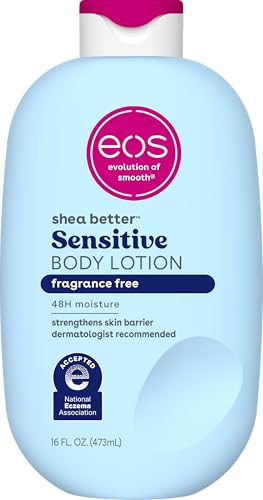
eos Shea Better Sensitive Skin Body Lotion
A reliable pick for eos Shea Better Sensitive Skin, selected based on this article's guidance.

Dewsy Fragrance Free Body Lotion for Dry
A reliable pick for Dewsy Fragrance Free Body Lotion, selected based on this article's guidance.
Final Verdict & Decision Framework

Quick Decision Checklist
Ask yourself: Does your skin show redness after hot showers? Do you have seasonal allergies? If yes, prioritize fragrance-free lotions. If your skin is bulletproof and you love luxury scents, choose based on the fragrance profile that makes you feel best.
Our Framework for Choosing
| Your Goal | Recommended Path |
|---|---|
| Skin Sensitivity Management | Fragrance-Free |
| Aromatherapy & Self-Care | Scented Alternatives |
| Budget-Focused Skincare | Fragrance-Free (often higher utility) |
| Routine Simplicity | Fragrance-Free |
Frequently Asked Questions
Is "unscented" the same as "fragrance-free"?
A: No. Unscented products may contain masking fragrances to neutralize the smell of other ingredients, whereas fragrance-free means no fragrance ingredients were added.
Can essential oils cause skin irritation?
A: Yes, many essential oils are potent sensitizers and can cause contact dermatitis, even if they are marketed as "natural."
Are fragrance-free lotions boring?
A: They are clinically neutral, but they allow for the use of your favorite perfumes without scent clashing.
How can I tell if a product is truly fragrance-free?
A: Always check the ingredient list for "parfum," "fragrance," or specific botanical extract names that are known fragrance allergens.
Do dermatologist-recommended brands always use fragrance-free formulas?
A: Not necessarily; many clinical brands offer both fragranced and fragrance-free versions, so check the specific SKU.
Why do companies add fragrance to lotions?
A: Fragrance is added to create a positive sensory association and to hide the sometimes unpleasant smell of raw chemical ingredients.
Can I become allergic to a scented lotion over time?
A: Yes, fragrance allergies can develop with repeated exposure, which is why it is safer to stick with fragrance-free options for daily use.
Are there any benefits to fragrance in body lotion?
A: Fragrance can provide significant psychological comfort and can be a vital part of a self-care ritual for those whose skin can tolerate it.
Key Takeaways
- 1 Fragrance-free lotions are the safer choice for sensitive skin types.
- 2 "Unscented" is a marketing term, while "fragrance-free" is a chemical description.
- 3 Natural scents, like essential oils, are still common triggers for contact dermatitis.
- 4 A robust skin barrier is a prerequisite for safely using scented alternatives.
- 5 Always patch-test new products to monitor for delayed reactions.
- 6 Fragrance-free products are ideal for nighttime routines when skin is repairing.
- 7 Your skin's reaction is the ultimate test; if it feels tight or itchy, switch to fragrance-free immediately.
Conclusion
Choosing between fragrance-free body lotions and scented alternatives is less about finding a superior product and more about understanding your skin's tolerance. For most, the smartest approach is to maintain a fragrance-free foundation for daily moisture, reserving scented options for specific occasions where sensory enjoyment is desired.
By prioritizing ingredient transparency, you can enjoy a consistent skincare routine that supports your long-term barrier health. For more insights on refining your regimen, consider exploring Step-by-Step: How to Use & Master Booster Serum Reviews And Complaints.
Listen to your skin above all else; it will tell you what it needs if you pay attention to its reactions.
📌 Pillar Resource: Read our complete complete fragrance-free body lotions review for in-depth insights.