Achieving a radiant, lit-from-within complexion often starts with the right active ingredients in your daily skincare routine. A high-quality glowing vitamin c facial serum serves as a powerful antioxidant powerhouse, effectively neutralizing free radicals while boosting collagen production. By incorporating this brightening staple into your morning regimen, you can visibly reduce the appearance of dark spots, even out skin tone, and restore a youthful vitality to tired skin. Whether you are battling dullness or seeking a protective shield against environmental stressors, understanding the transformative potential of Vitamin C is the first step toward achieving your healthiest, most luminous skin yet.
Key Takeaways

- 1. Vitamin C acts as a potent antioxidant, neutralizing free radicals caused by UV exposure and environmental pollutants to prevent premature aging.
- 2. Consistent application promotes collagen synthesis, which helps improve skin elasticity and reduces the appearance of fine lines over time.
- 3. For maximum efficacy, opt for formulas containing L-ascorbic acid, as it is the most researched and bioactive form of Vitamin C for topical absorption.
- 4. Stability is crucial; look for serums housed in opaque, airtight packaging to prevent oxidation, which renders the serum ineffective and turns it an orange-brown color.
- 5. Applying Vitamin C in the morning under your SPF creates a powerful synergy that enhances sun protection and brightens a dull complexion.
- 6. If you have sensitive skin, start with a lower concentration (5-10%) to build tolerance and avoid potential irritation or stinging.
The Science Behind Vitamin C for Skin Brightening
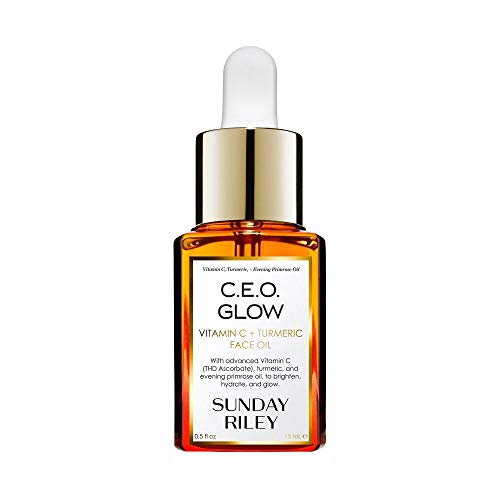
Vitamin C, known scientifically as L-ascorbic acid, is a potent antioxidant that plays a multifaceted role in dermatological health. Its primary function as a skin-brightening agent stems from its ability to inhibit the enzyme tyrosinase, which is the key driver of melanin production. By interrupting this pathway, Vitamin C helps fade existing hyperpigmentation, sun spots, and post-inflammatory acne marks, resulting in a more uniform complexion.
Beyond brightening, Vitamin C is essential for collagen synthesis. It acts as a cofactor for the enzymes prolyl hydroxylase and lysyl hydroxylase, which stabilize and cross-link collagen molecules. This structural reinforcement leads to improved skin elasticity and a reduction in fine lines.
Mechanism of Action:
- Antioxidant Neutralization: Scavenges free radicals caused by UV exposure and pollution.
- Melanin Inhibition: Reduces pigment synthesis for a clearer skin tone.
- Collagen Support: Stimulates fibroblasts to produce firmer, more resilient skin.
For maximum efficacy, a high-quality serum must be formulated at a low pH (typically below 3.5) to ensure the stability and penetration of the L-ascorbic acid into the stratum corneum. When choosing a product, look for stabilized derivatives like Sodium Ascorbyl Phosphate if you have sensitive skin, as these offer the benefits of Vitamin C with significantly less irritation potential.
How to Choose the Best Serum for Your Skin Type

Vitamin C, known scientifically as L-ascorbic acid, is a potent antioxidant that plays a multifaceted role in dermatological health. Its primary function as a skin-brightening agent stems from its ability to inhibit the enzyme tyrosinase, which is the key driver of melanin production. By interrupting this pathway, Vitamin C helps fade existing hyperpigmentation, sun spots, and post-inflammatory acne marks, resulting in a more uniform complexion.
Beyond brightening, Vitamin C is essential for collagen synthesis. It acts as a cofactor for the enzymes prolyl hydroxylase and lysyl hydroxylase, which stabilize and cross-link collagen molecules. This structural reinforcement leads to improved skin elasticity and a reduction in fine lines.
Mechanism of Action:
Antioxidant Neutralization: Scavenges free radicals caused by UV exposure and pollution.
Melanin Inhibition: Reduces pigment synthesis for a clearer skin tone.
Collagen Support: Stimulates fibroblasts to produce firmer, more resilient skin.
For maximum efficacy, a high-quality serum must be formulated at a low pH (typically below 3.5) to ensure the stability and penetration of the L-ascorbic acid into the stratum corneum. When choosing a product, look for stabilized derivatives like Sodium Ascorbyl Phosphate if you have sensitive skin, as these offer the benefits of Vitamin C with significantly less irritation potential.
How to Choose the Best Serum for Your Skin Type]
Selecting the right Vitamin C serum is less about the "most expensive" product and more about finding the formulation that aligns with your specific skin physiology. Not all Vitamin C is created equal, and the vehicle in which it is delivered dictates how your skin will respond.
| Skin Type | Recommended Form | Key Ingredients to Look For |
|---|---|---|
| Oily/Acne-Prone | L-Ascorbic Acid | Ferulic Acid, Salicylic Acid |
| Dry/Dehydrated | Magnesium Ascorbyl Phosphate | Hyaluronic Acid, Vitamin E |
| Sensitive/Reactive | Tetrahexyldecyl Ascorbate | Ceramides, Aloe Vera |
If you have oily skin, prioritize a lightweight, water-based serum that absorbs quickly without clogging pores. L-ascorbic acid, often paired with Ferulic acid, is highly effective here as it provides the most potent brightening results. Conversely, if you have dry or reactive skin, opt for oil-soluble derivatives like Tetrahexyldecyl Ascorbate. These are far more gentle, lipid-soluble (meaning they penetrate well), and significantly less likely to cause stinging or redness.
Always check the concentration: for beginners, a 5-10% concentration is ideal to test skin tolerance. Once your skin builds resilience, you can work your way up to the 15-20% range for more aggressive brightening. Avoid clear bottles; Vitamin C is photolabile and degrades in light, so only purchase products housed in opaque or amber-colored, airless pump packaging.
Integrating Vitamin C Into Your Daily Skincare Routine

The golden rule for Vitamin C is application during the morning routine. Because Vitamin C is an antioxidant, it works synergistically with your sunscreen to neutralize free radicals generated by UV rays throughout the day. By applying it in the morning, you are essentially creating a biological shield that protects the skin from environmental oxidative stress.
A Recommended Morning Workflow:
- Cleansing: Use a gentle, pH-balanced cleanser to remove nighttime impurities.
- Toning (Optional): A hydrating toner can help prime the skin.
- Vitamin C Serum: Apply 3-4 drops to dry skin. Allowing the skin to fully dry is crucial to prevent stinging.
- Moisturizing: Follow with a lightweight moisturizer to lock in hydration.
- Sunscreen: Non-negotiable. Finish with an SPF 30 or higher to protect the brightening results.
When starting, practice the "low and slow" approach. Apply the serum every other day for the first two weeks. Once your skin shows no signs of irritation, move to daily application. If you use other active ingredients like Retinol or AHAs, keep them in your evening routine. Keeping your Vitamin C and Retinol sessions separate minimizes the risk of barrier compromise and maximizes the therapeutic value of both ingredients.
Common Mistakes to Avoid When Using Active Serums
The most frequent error users make is purchasing oxidized Vitamin C. If your serum turns from a clear or light straw color to a deep orange or brown, it has oxidized and is no longer effective—or worse, it may cause skin irritation due to the degraded chemical structure. Always store your bottle in a cool, dark place away from bathroom steam.
Another common mistake is rushing the application. Applying an active serum immediately after washing your face while the skin is still damp can increase skin sensitivity and trigger a stinging sensation. Always wait for the skin to be completely dry before application to ensure the product is absorbed without unnecessary irritation.
Avoid these common pitfalls:
- Layering Incompatibilities: Do not mix Vitamin C with Niacinamide or high-strength copper peptides in the exact same step, as this can potentially neutralize the efficacy of the Vitamin C.
- Skipping SPF: Vitamin C increases your skin's brightness but doesn't replace the need for protection; without SPF, your hyperpigmentation will return faster.
- Ignoring Texture: If your serum feels sticky or smells like metallic burnt toast, it is likely a low-quality formulation. High-end serums should be lightweight and finish with a clean feel.
Finally, avoid the temptation to over-exfoliate. Using a Vitamin C serum alongside harsh physical scrubs or strong chemical peels can compromise your moisture barrier, leading to redness and inflammation that will actually worsen the appearance of dark spots.
Frequently Asked Questions
What is the best time of day to apply glowing vitamin C facial serum?
A: Apply the serum every morning on clean, dry skin to maximize its antioxidant protection against daily environmental stressors and UV damage.
Can I layer vitamin C serum with other active ingredients like retinol?
A: It is best to use vitamin C in the morning and retinol at night to avoid skin irritation and ensure each ingredient maintains its optimal pH level.
Why does my glowing vitamin C serum turn orange or dark brown over time?
A: This color change indicates oxidation, meaning the L-ascorbic acid has degraded and the serum is no longer potent or effective for your skin.
How can I tell if a glowing vitamin C serum is high quality?
A: Look for a serum packaged in an opaque, airtight bottle that contains stabilized L-ascorbic acid or derivatives like THD ascorbate at a concentration between 10% and 20%.
Will using a glowing vitamin C facial serum make my skin more sensitive to the sun?
A: Vitamin C does not increase sun sensitivity; however, you must always follow your serum application with a broad-spectrum SPF 30+ to protect your skin from UV-induced aging.
How long does it typically take to see visible results from this serum?
A: With consistent daily use, you can typically expect to see improved skin radiance and reduced hyperpigmentation within 4 to 8 weeks.
Incorporating a high-quality glowing Vitamin C serum into your morning skincare routine is one of the most effective ways to achieve a radiant, even complexion. By neutralizing daily environmental stressors and boosting natural collagen production, this powerhouse ingredient serves as both a preventative measure against aging and a corrective treatment for existing dullness or hyperpigmentation. When paired with a reliable broad-spectrum SPF, it provides a dual-layer defense system that maintains your skin's health and vitality throughout the day.
To ensure you get the most out of your serum, always prioritize product stability and proper storage. Choosing a formula with proven packaging ensures that the active ingredients remain potent from the first drop to the last. While patience is required to see long-term transformative results, the immediate brightening effects and long-term protection make it a non-negotiable step for anyone seeking a healthy, lit-from-within glow.