Dealing with stubborn dark spots and uneven skin tone can be a frustrating journey. While many reach for harsh acids to exfoliate, the secret to radiant, balanced skin often lies in deep hydration. Using a hyaluronic acid serum for hyperpigmentation offers a unique approach: it doesn’t just strip the skin, but instead fortifies the moisture barrier to accelerate healing. By plumping the epidermis and improving overall skin health, this essential step helps your targeted treatments work more efficiently. Discover how incorporating this humectant into your daily routine can transform your complexion and brighten your post-acne marks for good.
Key Takeaways

- 1. Hyaluronic acid primarily hydrates the skin rather than directly breaking down melanin or inhibiting tyrosinase, the enzyme responsible for dark spots.
- 2. It acts as a superior vehicle for active ingredients, meaning it can enhance the absorption of proven hyperpigmentation fighters like Vitamin C, niacinamide, and kojic acid.
- 3. By strengthening the skin barrier through deep hydration, hyaluronic acid helps the skin recover faster from the irritation often caused by aggressive lightening agents like retinoids.
- 4. Plump, well-hydrated skin reflects light more evenly, which can create a temporary visual reduction in the appearance of surface-level discoloration.
- 5. For maximum efficacy, always apply hyaluronic acid to damp skin to prevent the molecule from drawing moisture out of the deeper layers of the epidermis.
- 6. Hyaluronic acid should be viewed as a supportive "base layer" in a brightening routine rather than a standalone treatment for stubborn hyperpigmentation or melasma.
Understanding the Role of Hydration in Skin Brightening
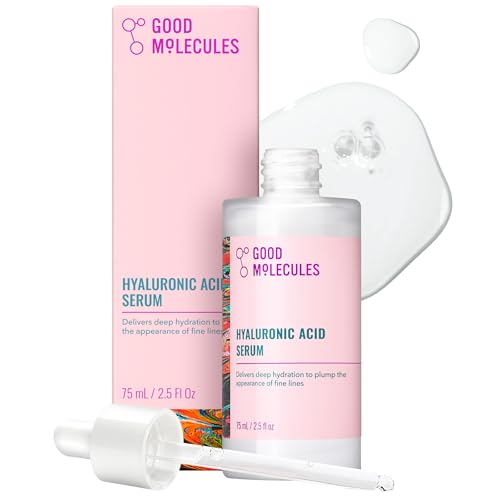
Many consumers incorrectly assume that treating hyperpigmentation requires only harsh chemical exfoliants or intensive lightening agents. However, from a dermatological standpoint, hydration is the non-negotiable foundation of any successful brightening regimen. When the skin barrier is compromised or dehydrated, the surface becomes dull, emphasizing the visual contrast between healthy tissue and discolored spots. Furthermore, inflammation is a primary trigger for post-inflammatory hyperpigmentation (PIH); a well-hydrated skin barrier acts as a protective shield against external stressors that exacerbate melanin production.
Hyaluronic acid (HA) serves as a critical humectant in this process. By drawing moisture into the stratum corneum, it plumps the skin, effectively smoothing fine lines and refining texture. When the skin is adequately hydrated, light reflects more evenly across the surface, providing an immediate visual brightening effect. A dehydrated complexion, by contrast, appears lackluster and sunken, which makes existing dark spots look deeper and more pronounced.
Benefits of Optimal Hydration for Pigmentation:
- Barrier Integrity: Strong barriers prevent transepidermal water loss (TEWL) and shield against irritants.
- Increased Cell Turnover: Well-hydrated cells facilitate the natural shedding process, helping to fade pigment over time.
- Improved Product Absorption: Moist skin is more receptive to the active ingredients found in clinical lightening serums.
- Reduced Inflammation: Consistent moisture keeps the skin calm, minimizing the risk of new pigment formation.
How Hyaluronic Acid Complements Active Lightening Agents

Many consumers incorrectly assume that treating hyperpigmentation requires only harsh chemical exfoliants or intensive lightening agents. However, from a dermatological standpoint, hydration is the non-negotiable foundation of any successful brightening regimen. When the skin barrier is compromised or dehydrated, the surface becomes dull, emphasizing the visual contrast between healthy tissue and discolored spots. Furthermore, inflammation is a primary trigger for post-inflammatory hyperpigmentation (PIH); a well-hydrated skin barrier acts as a protective shield against external stressors that exacerbate melanin production.
Hyaluronic acid (HA) serves as a critical humectant in this process. By drawing moisture into the stratum corneum, it plumps the skin, effectively smoothing fine lines and refining texture. When the skin is adequately hydrated, light reflects more evenly across the surface, providing an immediate visual brightening effect. A dehydrated complexion, by contrast, appears lackluster and sunken, which makes existing dark spots look deeper and more pronounced.
Benefits of Optimal Hydration for Pigmentation:
Barrier Integrity: Strong barriers prevent transepidermal water loss (TEWL) and shield against irritants.
Increased Cell Turnover: Well-hydrated cells facilitate the natural shedding process, helping to fade pigment over time.
Improved Product Absorption: Moist skin is more receptive to the active ingredients found in clinical lightening serums.
Reduced Inflammation: Consistent moisture keeps the skin calm, minimizing the risk of new pigment formation.
How Hyaluronic Acid Complements Active Lightening Agents]
Hyaluronic acid is the ultimate team player in a clinical skincare routine. While high-performance lightening agents—such as Vitamin C, niacinamide, kojic acid, or hydroquinone—work to disrupt melanin synthesis, they can often be drying or irritating. If the skin’s moisture level drops, these actives may cause localized irritation, which paradoxically triggers the skin’s wound-healing response and can lead to more hyperpigmentation.
Integrating HA into your routine provides a "buffer zone." It allows you to maintain the efficacy of your active ingredients while ensuring that the skin's biological environment remains stable and healthy. Because HA has a lightweight, non-comedogenic molecular structure, it does not interfere with the penetration of other topicals. Instead, it creates a hydrated pathway that helps other ingredients work more efficiently.
| Active Agent | How HA Complements It |
|---|---|
| Vitamin C | Prevents the stinging sensation and oxidation caused by low pH formulas. |
| Retinoids | Counteracts the peeling and dryness associated with cell-regenerating treatments. |
| Niacinamide | Enhances the overall smoothing effect for a brighter, more radiant complexion. |
| AHAs | Provides immediate soothing after chemical exfoliation to prevent barrier stress. |
By pairing HA with these targeted agents, you minimize "downtime" and irritation, allowing you to use your lightening treatments more consistently—which is the absolute key to seeing a visible reduction in stubborn dark spots.
Expert Tips for Layering Serums to Maximize Results

Mastering the "sequence of application" is essential for clinical results. As a general rule of thumb, products should be applied from the thinnest, most aqueous consistency to the thickest, most emollient texture. When addressing hyperpigmentation, your goal is to ensure the potent lightening actives have direct contact with the skin, while the HA acts as a catalyst for absorption and comfort.
The Ideal Layering Protocol:
- Cleansing: Start with a gentle cleanser to remove debris without stripping natural oils.
- Damp Application: Apply your hyaluronic acid serum while the skin is still slightly damp. HA is hygroscopic; applying it to dry skin can actually pull moisture out of your dermis.
- Treatment Layer: Apply your targeted brightening serum (e.g., Vitamin C or Alpha Arbutin) immediately after the HA has been absorbed.
- Occlusion: Finish with a moisturizer to seal in the humectants and prevent evaporation.
If you are using a potent prescription-strength treatment, you can also utilize the "sandwich method." This involves applying a light layer of HA serum, followed by your treatment, and then a second, thin layer of HA before your moisturizer. This creates a cushion that delivers the medication slowly and steadily throughout the night, drastically reducing the risk of irritation without compromising the therapeutic concentration of the active ingredients.
Choosing the Best Formula for Your Specific Skin Concerns
Not all hyaluronic acid serums are created equal. When selecting a formula, you must consider both the molecular weight of the HA and the presence of any secondary ingredients that might further assist in your battle against hyperpigmentation. HA is often used as a delivery vehicle for other brightening agents, making the secondary ingredient list just as important as the primary humectant.
Look for serums that feature multi-molecular weights. High-molecular-weight HA sits on the surface to provide instant plumping, while low-molecular-weight HA penetrates deeper to provide long-term structural hydration. If you have oily or acne-prone skin, look for oil-free, gel-based HA formulas that won't clog pores. For dry or mature skin, look for formulas that include added ceramides or peptides alongside the hyaluronic acid.
Checklist for Selection:
- Molecular Variety: Ensure the product mentions multiple weights for deep and surface-level hydration.
- Complementary Actives: Look for "brightening" versions of HA serums that include niacinamide, tranexamic acid, or licorice root extract.
- Minimalist Ingredient Profile: Avoid serums laden with artificial fragrances or denatured alcohols, as these cause inflammation, which worsens hyperpigmentation.
- Packaging: Always choose serums in opaque, airtight pumps rather than jars. Antioxidants and brightening agents within the HA serum can degrade rapidly upon exposure to light and air.
By prioritizing a high-quality, stable formulation, you ensure that your investment in your skincare routine translates into tangible, long-term results for your skin tone and texture.
Frequently Asked Questions
Does hyaluronic acid directly fade hyperpigmentation?
A: No, hyaluronic acid primarily hydrates the skin; it does not contain active bleaching agents to break down melanin or inhibit tyrosinase.
Why is hyaluronic acid recommended for use alongside hyperpigmentation treatments?
A: It acts as a buffer to mitigate the dryness and irritation often caused by potent brightening ingredients like hydroquinone, retinoids, or AHAs.
Can applying hyaluronic acid improve the effectiveness of fading serums?
A: Yes, by maintaining a healthy skin barrier and optimal hydration levels, it allows your skin to better tolerate and absorb targeted brightening actives.
Should I apply hyaluronic acid before or after my vitamin C serum?
A: Apply hyaluronic acid after your water-based vitamin C serum to lock in moisture and maximize the absorption of the antioxidant.
Is it safe to use hyaluronic acid with high-strength acid peels for hyperpigmentation?
A: Yes, it is highly recommended to use hyaluronic acid post-peel to soothe the skin and prevent the transepidermal water loss that can exacerbate irritation.
Can a hyaluronic acid serum alone replace a dedicated pigment-correcting product?
A: No, you must pair it with proven brightening ingredients like niacinamide, tranexamic acid, or kojic acid to actively address existing hyperpigmentation.
While hyaluronic acid is not a corrective treatment for hyperpigmentation in the traditional sense, it is an essential component of any effective brightening regimen. Its ability to retain up to 1,000 times its weight in water provides the necessary moisture buffer to allow stronger active ingredients—such as hydroquinone, retinoids, or AHAs—to work more efficiently without causing excessive dryness or inflammatory peeling.
By incorporating a hyaluronic acid serum into your daily routine, you support the skin's natural repair mechanisms and create a more hydrated surface that reflects light more effectively. For the best results in fading dark spots, utilize hyaluronic acid to lock in moisture after cleansing, then follow with targeted depigmenting treatments to achieve a clearer, more radiant complexion over time.