Achieving a luminous, even complexion is a goal for many, yet those with delicate barriers often struggle to incorporate high-potency ingredients into their routines. Vitamin C is widely celebrated for its ability to brighten dark spots and stimulate collagen, but its acidic nature can trigger stinging or unwanted redness. Fortunately, finding a gentle vitamin c facial serum for sensitive skin is entirely possible with the right formulation. By prioritizing stabilized derivatives and calming botanical additives, you can reap the antioxidant benefits of this powerhouse ingredient while keeping your skin barrier calm, hydrated, and perfectly balanced every day.
Key Takeaways

- 1. Prioritize stable, low-concentration Vitamin C derivatives like Magnesium Ascorbyl Phosphate, which are far less irritating than pure L-Ascorbic Acid.
- 2. Seek formulas containing soothing additives like hyaluronic acid, vitamin E, or ferulic acid to buffer the skin and improve overall tolerance.
- 3. Check the pH level of the serum; sensitive skin performs best with products closer to a neutral pH of 5.5 rather than highly acidic formulations.
- 4. Always perform a 24-hour patch test on the inner forearm or behind the ear before applying a new serum to your entire face.
- 5. Introduce the product slowly by using it every other day or only in the morning to allow your skin barrier to acclimate to the active ingredient.
- 6. Ensure the packaging is opaque and airtight, as Vitamin C oxidizes quickly upon exposure to light and air, which can cause it to become irritating and ineffective.
Why Vitamin C Irritates Sensitive Complexions
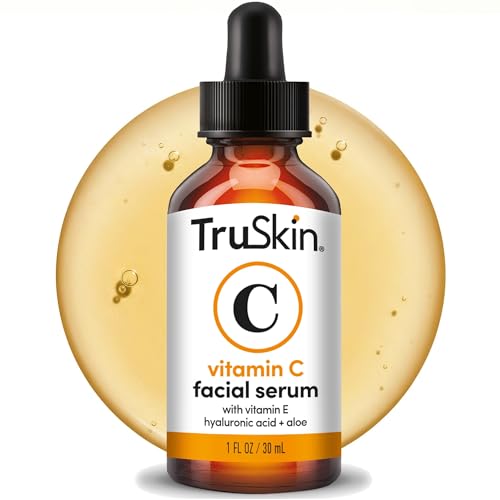
The reputation of Vitamin C as a potent skin-brightening agent is well-earned, yet for those with sensitive complexions, it often acts as a double-edged sword. The primary culprit is the ingredient’s chemical nature. Pure Vitamin C, or L-ascorbic acid, requires a highly acidic pH environment—typically below 3.5—to remain stable and effectively penetrate the skin's lipid barrier. This low pH level can disrupt the natural acid mantle of sensitive skin, leading to immediate redness, stinging, and inflammation.
Beyond the acidity, sensitivity often stems from the following factors:
- Oxidation: Vitamin C is notoriously unstable. Once exposed to air or light, it oxidizes, turning a brownish hue. Applying oxidized serum creates free radicals rather than neutralizing them, triggering irritation.
- High Concentration: Many products boast 15% to 20% concentrations, which are far too aggressive for compromised moisture barriers.
- Solvent Usage: Many formulas use high levels of alcohol or propylene glycol as penetration enhancers, which strip moisture and aggravate reactive skin types.
When the barrier is already fragile, these aggressive factors cause micro-inflammation. Over time, this chronic irritation can lead to increased trans-epidermal water loss (TEWL) and a weakened complexion that is even more prone to environmental allergens. Recognizing these triggers is the first step in finding a serum that provides the benefits of antioxidant protection without the discomfort of stinging or sensitized skin.
Key Ingredients to Look for in Gentle Formulas

The reputation of Vitamin C as a potent skin-brightening agent is well-earned, yet for those with sensitive complexions, it often acts as a double-edged sword. The primary culprit is the ingredient’s chemical nature. Pure Vitamin C, or L-ascorbic acid, requires a highly acidic pH environment—typically below 3.5—to remain stable and effectively penetrate the skin's lipid barrier. This low pH level can disrupt the natural acid mantle of sensitive skin, leading to immediate redness, stinging, and inflammation.
Beyond the acidity, sensitivity often stems from the following factors:
Oxidation: Vitamin C is notoriously unstable. Once exposed to air or light, it oxidizes, turning a brownish hue. Applying oxidized serum creates free radicals rather than neutralizing them, triggering irritation.
High Concentration: Many products boast 15% to 20% concentrations, which are far too aggressive for compromised moisture barriers.
Solvent Usage: Many formulas use high levels of alcohol or propylene glycol as penetration enhancers, which strip moisture and aggravate reactive skin types.
When the barrier is already fragile, these aggressive factors cause micro-inflammation. Over time, this chronic irritation can lead to increased trans-epidermal water loss (TEWL) and a weakened complexion that is even more prone to environmental allergens. Recognizing these triggers is the first step in finding a serum that provides the benefits of antioxidant protection without the discomfort of stinging or sensitized skin.
Key Ingredients to Look for in Gentle Formulas]
Navigating the skincare aisle for sensitive-skin-friendly Vitamin C requires moving beyond L-ascorbic acid and looking for supportive, soothing ingredients. A superior formula for reactive skin acts as a delivery vehicle that hydrates and calms while delivering brightening benefits. The goal is to buffer the potency of the antioxidant with ingredients that reinforce the skin barrier.
When evaluating product labels, look for the following synergistic ingredients:
| Ingredient | Function for Sensitive Skin |
|---|---|
| Ferulic Acid | Stabilizes Vitamin C and doubles its photoprotective efficacy. |
| Vitamin E (Tocopherol) | Provides antioxidant synergy and deep hydration. |
| Hyaluronic Acid | Humectant that offsets potential drying effects. |
| Centella Asiatica | A powerful soothing botanical that calms inflammation. |
Furthermore, seek out formulas that utilize lipid-soluble derivatives like Tetrahexyldecyl Ascorbate. Because this derivative is oil-soluble, it can penetrate the skin without the need for an ultra-low, irritating pH. Pairings like these ensure that the skin remains hydrated and protected. Always prioritize "fragrance-free" and "alcohol-free" labels, as these are common sensory irritants that serve no functional purpose in a corrective serum. By selecting products that prioritize barrier repair alongside antioxidant activity, you ensure a comfortable, effective experience that promotes long-term skin health rather than temporary brightness.
How to Introduce Vitamin C into Your Daily Routine

Integrating a new active ingredient into a skincare regimen for sensitive skin should never be a "start tomorrow" proposition. Because your skin is prone to reaction, the strategy must be one of gradual acclimatization. The "start low and go slow" method is the industry gold standard for preventing a damaged moisture barrier. Begin by applying your Vitamin C serum only two to three times per week, specifically in the morning, to allow your skin to adjust to the antioxidant load.
Follow this phased integration schedule to minimize the risk of irritation:
- Week 1-2: Apply the serum every third morning. Monitor for any signs of itching or peeling.
- Week 3-4: If no reaction occurs, increase to every other morning.
- Maintenance: Once the skin tolerates daily application, you can use it every morning consistently.
Additionally, how you layer your products makes a significant difference. If your serum feels slightly too strong, apply it over a thin layer of a gentle, hydrating essence or a lightweight moisturizer. This creates a "buffer" that slows down absorption, reducing the risk of a sharp reaction. Always remember that Vitamin C is an antioxidant, not a standalone sunblock. You must follow up with a broad-spectrum SPF 30 or higher, as Vitamin C works in tandem with sunscreen to neutralize UV-induced free radicals, ensuring your sensitive skin stays protected throughout the day.
The Benefits of Stabilized Derivatives vs. L-Ascorbic Acid
For decades, L-ascorbic acid was considered the "gold standard" because of its direct conversion to Vitamin C in the skin. However, in the world of professional dermatology, there has been a major shift toward stabilized derivatives, especially for patients with sensitive complexions. L-ascorbic acid is hydrophilic (water-loving) and highly unstable, requiring an aggressive pH to function. In contrast, stabilized derivatives are chemically engineered to remain potent at a skin-neutral pH, making them far more tolerable for reactive skin types.
There are several key advantages to choosing stabilized derivatives over pure L-ascorbic acid:
- pH Neutrality: Derivatives like Sodium Ascorbyl Phosphate and Tetrahexyldecyl Ascorbate operate at a pH of 5.5 to 6.0, matching the skin’s natural barrier.
- Longevity: These derivatives have a much longer shelf life and are less prone to oxidation, meaning the product stays effective from the first pump to the last.
- Enhanced Penetration: Specifically with oil-soluble versions like Tetrahexyldecyl Ascorbate, the molecule penetrates the epidermis more efficiently, meaning you need a lower concentration to see the same results.
While L-ascorbic acid may offer faster initial results, it often comes at the cost of barrier compromise. For sensitive skin, the goal is consistency. Stabilized derivatives provide a steady, predictable delivery of Vitamin C that stimulates collagen synthesis and brightens tone without the "crash" of inflammation. By choosing these advanced molecules, you achieve the professional results of antioxidant therapy while respecting the delicate nature of your skin's unique physiology.
Frequently Asked Questions
Q1: Why does Vitamin C sometimes sting sensitive skin?
A: Pure Vitamin C is acidic and can disrupt the skin barrier, leading to a stinging sensation.
Q2: Is a lower percentage of Vitamin C better?
A: Yes, concentrations between 5% and 10% are often more tolerable than higher concentrations for sensitive skin types.
Q3: Can I use Vitamin C with retinol?
A: It is generally recommended to use them at different times, such as Vitamin C in the morning and retinol at night, to avoid irritation.
Q4: How do I know if my serum has oxidized?
A: If the serum changes color to a dark orange or brown, it has likely oxidized and should be discarded.
Q5: Should I apply moisturizer over my serum?
A: Yes, applying a gentle, fragrance-free moisturizer helps lock in the serum and provides a barrier against potential irritation.
Q6: Can Vitamin C cause breakouts?
A: While rare, some formulations contain oils or additives that may trigger breakouts; look for "non-comedogenic" on the label.