Struggling with persistent breakouts and the stubborn dark spots they leave behind? You have likely encountered the buzz surrounding vitamin C serum for acne. While vitamin C is world-renowned for its brightening capabilities, its role in treating active acne is more nuanced. As a powerful antioxidant, it can soothe inflammation and protect the skin barrier, yet its acidic nature requires careful integration into a routine prone to blemishes. In this guide, we break down the science behind using vitamin C, how to choose the right formulation, and whether it deserves a permanent spot in your daily skincare regimen.
Key Takeaways

- 1. Vitamin C acts as a potent antioxidant that helps neutralize free radicals caused by UV exposure and pollution, which can exacerbate acne inflammation.
- 2. L-ascorbic acid, the most effective form of Vitamin C, provides anti-inflammatory properties that may help calm red, angry breakouts.
- 3. Regular use of a stable Vitamin C serum can significantly accelerate the fading of post-inflammatory hyperpigmentation (PIH) left behind by healed acne lesions.
- 4. While Vitamin C helps with acne scarring, it is not a primary treatment for active bacterial acne; it should be paired with proven ingredients like salicylic acid or benzoyl peroxide.
- 5. Individuals with sensitive or acne-prone skin should start with a lower concentration (5-10%) to avoid potential irritation that could trigger further breakouts.
- 6. Always look for airtight, opaque packaging, as Vitamin C is highly unstable and degrades rapidly when exposed to light and air, losing its efficacy.
The Science: How Vitamin C Affects Acne-Prone Skin
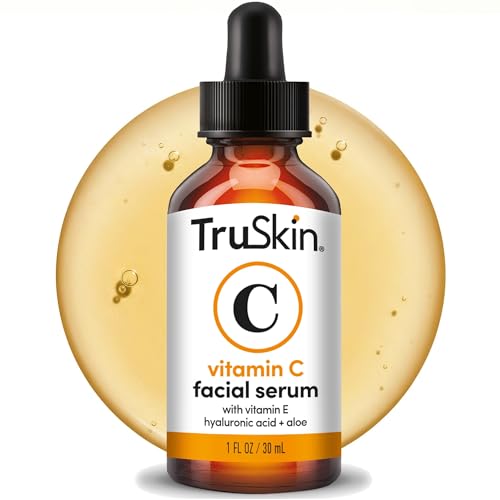
Vitamin C, specifically in its bioactive form L-ascorbic acid, is a powerhouse antioxidant that plays a multifaceted role in managing acne-prone skin. At its core, it functions by neutralizing free radicals generated by environmental pollutants and UV exposure, which can otherwise trigger inflammation. When the skin’s microbiome is stressed, sebum oxidation occurs; Vitamin C helps stabilize these oils, potentially reducing the formation of comedones that lead to breakouts.
Furthermore, Vitamin C boasts significant anti-inflammatory properties. For those dealing with active, red, and inflamed papules or pustules, the topical application of Vitamin C can help downregulate pro-inflammatory cytokines. This calming effect is essential for acne patients, as chronic inflammation often leads to the degradation of the skin barrier.
- Stabilization: Prevents lipid peroxidation of sebum, reducing clogged pores.
- Reduction of Erythema: Calms the redness associated with active inflammatory lesions.
- Antioxidant Shield: Neutralizes oxidative stress that exacerbates acne triggers.
However, it is crucial to understand that Vitamin C is not a primary antibacterial agent like benzoyl peroxide. Instead, it serves as a supportive therapeutic tool. By bolstering the skin’s structural integrity and soothing the underlying inflammation, it creates an environment less conducive to persistent acne cycles, allowing the skin to heal more effectively while preventing future damage.
Key Benefits for Reducing Post-Acne Hyperpigmentation

Vitamin C, specifically in its bioactive form L-ascorbic acid, is a powerhouse antioxidant that plays a multifaceted role in managing acne-prone skin. At its core, it functions by neutralizing free radicals generated by environmental pollutants and UV exposure, which can otherwise trigger inflammation. When the skin’s microbiome is stressed, sebum oxidation occurs; Vitamin C helps stabilize these oils, potentially reducing the formation of comedones that lead to breakouts.
Furthermore, Vitamin C boasts significant anti-inflammatory properties. For those dealing with active, red, and inflamed papules or pustules, the topical application of Vitamin C can help downregulate pro-inflammatory cytokines. This calming effect is essential for acne patients, as chronic inflammation often leads to the degradation of the skin barrier.
Stabilization: Prevents lipid peroxidation of sebum, reducing clogged pores.
Reduction of Erythema: Calms the redness associated with active inflammatory lesions.
Antioxidant Shield: Neutralizes oxidative stress that exacerbates acne triggers.
However, it is crucial to understand that Vitamin C is not a primary antibacterial agent like benzoyl peroxide. Instead, it serves as a supportive therapeutic tool. By bolstering the skin’s structural integrity and soothing the underlying inflammation, it creates an environment less conducive to persistent acne cycles, allowing the skin to heal more effectively while preventing future damage.
Key Benefits for Reducing Post-Acne Hyperpigmentation]
Post-inflammatory hyperpigmentation (PIH) is a common, distressing consequence of acne that manifests as dark, discolored spots left behind after a lesion has healed. Vitamin C is widely considered a gold-standard treatment for addressing these marks due to its ability to inhibit the enzyme tyrosinase. Tyrosinase is the rate-limiting enzyme responsible for melanin production; by blocking its activity, Vitamin C effectively prevents the overproduction of pigment in previously wounded skin.
Beyond simple inhibition, Vitamin C acts as a potent skin-brightening agent that accelerates cell turnover. By encouraging the shedding of pigmented skin cells and promoting the synthesis of healthy collagen, it works to even out skin tone over time. Below is a breakdown of how it specifically targets PIH:
| Mechanism | Impact on PIH |
|---|---|
| Tyrosinase Inhibition | Prevents new dark spots from forming as lesions heal. |
| Antioxidant Defense | Protects existing melanin from darkening due to sun exposure. |
| Collagen Synthesis | Promotes faster repair of the dermal matrix, fading scars. |
Consistency is the primary factor in achieving results. Because PIH is deeply rooted in the epidermis, topical Vitamin C must be applied daily to yield visible fading. For the best clinical outcome, users should pair their Vitamin C serum with broad-spectrum sunscreen, as unprotected UV exposure will stimulate further melanin production and neutralize the progress made by the serum.
Choosing the Best Vitamin C Formula for Sensitive Skin
For individuals with acne-prone skin that is also sensitive, the classic L-ascorbic acid formula—which often requires a low pH (below 3.5) to be effective—can sometimes cause stinging, redness, or irritation. If your skin barrier is already compromised by acne treatments, opting for a derivative rather than pure L-ascorbic acid is often the wisest path to avoiding "acid-burn" symptoms.
When shopping for a formula, look for gentle, lipid-soluble derivatives. These forms are often more stable, less irritating, and can penetrate the skin more efficiently without requiring the harsh acidic environment of pure Vitamin C. Consider these superior alternatives for sensitive skin:
- Sodium Ascorbyl Phosphate (SAP): A water-soluble derivative known for its antibacterial properties, specifically helpful for acne-prone skin.
- Tetrahexyldecyl Ascorbate (THD): An oil-soluble form that is highly stable and penetrates deeply without causing surface irritation.
- Magnesium Ascorbyl Phosphate (MAP): A gentle, non-irritating option that effectively hydrates while brightening.
Always check the ingredient list for supporting humectants like hyaluronic acid or soothing agents like centella asiatica or panthenol. These additives act as a buffer, ensuring the product remains effective for brightening and antioxidant protection while safeguarding your skin’s lipid barrier against potential irritation or sensitivity flare-ups.
How to Safely Layer Vitamin C With Acne-Fighting Actives
Layering actives requires a strategic approach to ensure both efficacy and safety. Because many acne treatments—such as retinol, salicylic acid, or benzoyl peroxide—can be highly potent, incorrect layering can lead to chemical irritation or the degradation of the Vitamin C molecule itself. The primary rule is to prioritize the skin's pH balance and your skin’s tolerance level.
If you are using L-ascorbic acid, it is best applied on clean, dry skin in the morning. This allows the serum to provide antioxidant protection throughout the day. Acne-fighting actives like retinoids are best reserved for your nighttime routine to maximize repair without risking oxidative degradation from sunlight.
Follow these best-practice guidelines for a seamless regimen:
- The Wait Time Method: If you must use multiple actives in one routine, wait 15–20 minutes between applications to allow the skin's pH to return to its natural state.
- Morning/Evening Split: Use Vitamin C in the morning for environmental protection and save exfoliating acids (like Salicylic acid) or retinoids for the evening.
- Targeted Spot Treatment: If using Benzoyl Peroxide, apply it as a spot treatment on specific pimples rather than all over the face, as it can oxidize Vitamin C if mixed directly on the skin surface.
By compartmentalizing your ingredients, you ensure that each product performs its specific function without interference, maintaining a healthy barrier while effectively treating acne.
Frequently Asked Questions
Can vitamin C serum cause breakouts in acne-prone skin?
A: While vitamin C itself is non-comedogenic, formulations containing heavy oils or Vitamin E derivatives may trigger congestion; look for 'oil-free' or 'non-comedogenic' labels.
Is vitamin C effective at fading post-acne dark spots?
A: Yes, vitamin C is a potent antioxidant that inhibits tyrosinase activity, helping to significantly brighten and fade post-inflammatory hyperpigmentation (PIH).
Should I use vitamin C serum if I have active, inflamed acne?
A: Proceed with caution, as high-concentration L-ascorbic acid can irritate active lesions; consider a lower concentration or a gentler derivative like sodium ascorbyl phosphate.
Can I use vitamin C serum alongside acne medications like benzoyl peroxide?
A: It is best to avoid direct layering as benzoyl peroxide can oxidize vitamin C, rendering it ineffective; use vitamin C in the morning and acne treatments at night.
Which form of vitamin C is best for acne-prone skin?
A: Sodium ascorbyl phosphate is the gold standard for acne because it is stable, less irritating, and has demonstrated specific antimicrobial properties against acne-causing bacteria.
Will vitamin C serum help with acne-related redness?
A: Yes, its anti-inflammatory properties help soothe irritated skin and reduce the persistent redness often associated with inflammatory acne.
Incorporating a Vitamin C serum into your skincare routine can be a transformative step for those struggling with the lingering effects of acne. Beyond its brightening capabilities, its ability to soothe inflammation makes it a valuable tool for maintaining a healthy skin barrier. By protecting the skin from environmental stressors and assisting in the repair of acne-induced discoloration, Vitamin C helps restore a more uniform texture and tone over time.
However, it is essential to remember that Vitamin C is an adjunct treatment rather than a cure for acne. To achieve optimal results, it should be integrated into a balanced regimen that includes gentle cleansing, targeted acne medication, and consistent sun protection. By choosing a high-quality, stabilized formula and monitoring your skin's reaction, you can safely leverage the benefits of this potent antioxidant to support a clearer, more radiant complexion.