When searching for the ideal Moisturizer For Oily Skin, the choice typically narrows down to two primary categories: water-based gel formulas and lightweight, non-comedogenic lotions. Finding the right balance is essential to managing excess sebum while preventing dehydration.
Many individuals struggle with this decision because both product types promise to hydrate without clogging pores, yet they interact differently with the skin’s lipid barrier. Oily skin often produces excessive sebum, leading to the misconception that it requires no moisture, which can actually trigger further oil production as a compensatory mechanism.
This guide analyzes the performance, texture, and ingredient profiles of these two moisturizer archetypes. By the end of this article, you will have a clear decision-making framework to select the formula that best addresses your unique complexion concerns for 2026.
- Texture and absorption speed differences.
- Ingredients that regulate vs. replace lost moisture.
- The impact of occlusives on oil-prone skin.
- Compatibility with makeup and daily sunscreens.
- Long-term skin barrier health and environmental factors.
Overview & Head-to-Head Summary

The Gel-Based Moisturizer Profile
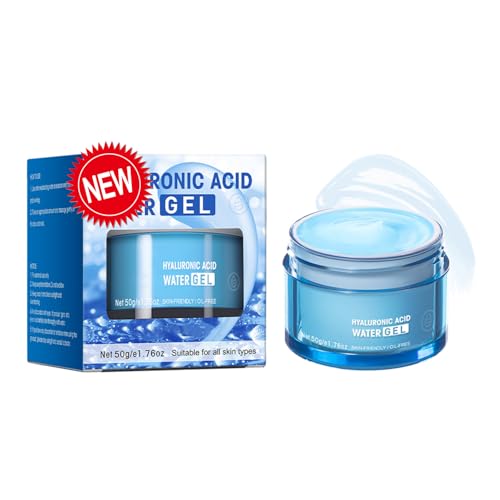
Gel moisturizers are formulated primarily with water and humectants. They provide a cooling sensation upon application and evaporate quickly, leaving a weightless, matte finish that is highly favored by those who struggle with immediate post-application shine.
The Lightweight Lotion Profile
Lightweight lotions often incorporate a higher concentration of emollient agents alongside humectants. These offer a slightly more occlusive barrier, which is beneficial for protecting the skin from moisture loss throughout the day, especially in drier or climate-controlled environments.
| Feature | Gel Moisturizer | Lightweight Lotion |
|---|---|---|
| Primary Base | Water | Oil-in-Water Emulsion |
| Finish | Matte/Invisible | Soft Satin |
| Absorption Speed | Very Fast | Moderate |
| Best For | High Humidity/High Oil | Combination/Dehydrated Oily |
If you enjoy a refreshing feel after cleansing, consider checking First Aid Beauty Hydrating Serum with Hyaluronic Acid Reviews for Glowing Skin as a supplement to your base hydration routine.
Key Differences & Core Features

Ingredient Density and Occlusion
The primary technical difference lies in the presence of fatty acids and lipids. Gels avoid heavy oils entirely to prevent pore congestion. Lotions use non-comedogenic lipids to create a breathable seal, which can be critical if your skin is both oily and dehydrated.
Compatibility with Active Treatments
If you use corrective treatments, how you layer your moisturizer matters. For those using potent ingredients, learning about Peptides For Skin: The Ultimate Guide to Firmer, Younger-Looking Complexion can help you integrate hydration safely around active layers.
| Dimension | Gel Formulas | Lotion Formulas |
|---|---|---|
| Oil Content | Near Zero | Low (Non-Comedogenic) |
| Occlusive Seal | Weak/Non-existent | Moderate |
| Pore Risk | Minimal | Very Low |
| Skin Feel | Instant Cooling | Comforting Hydration |
Performance & Real-World Analysis

Testing Absorption and Finish
Performance in real-world scenarios is measured by how the product sits under makeup and its ability to inhibit midday shine. Testing reveals that while gels win on instant comfort, they may require reapplication if the environment is extremely dry.
Evaluating Long-Term Hydration
Long-term reliability often favors lotions, as they help maintain the skin's moisture barrier more effectively over an 8-hour shift.
Performance findings suggest that the "best" moisturizer is one that feels invisible within three minutes of application and does not trigger excessive oil production by the end of the day.
Best Use Cases & Ideal Scenarios
When Gel-Based Moisturizer Makes More Sense
Gels are ideal for those living in high-humidity climates or during summer months when the skin naturally produces more oil and traditional creams feel "heavy."
When Lightweight Lotion Makes More Sense
Lotions are the superior choice if you are using chemical exfoliants or retinoids, as your skin barrier requires a bit more recovery support to prevent irritation.
When It Genuinely Doesn't Matter
If your skin is perfectly balanced, non-problematic, and you live in a moderate climate, both categories will likely perform well, allowing you to choose based on packaging or scent preference.
Recommended Equipment & Solution

CeraVe Oil Control Gel-Cream, Niacinamide Face Moisturizer
A reliable pick for CeraVe Oil Control Gel-Cream, Niacinamide, selected based on this article's guidance.
Minimalist Panthenol (Vitamin B5) 10% Face Moisturizer
A reliable pick for Minimalist Panthenol (Vitamin B5) 10%, selected based on this article's guidance.
Final Verdict & Decision Framework

Quick Decision Checklist
To finalize your choice, prioritize your environment and your current active skincare routine. If you are battling significant dehydration alongside oiliness, lean toward the lotion. If you are battling purely excess shine, prioritize the gel.
Our Framework for Choosing
| Goal | Recommended Option |
|---|---|
| Maximum Shine Control | Gel |
| Support for Actives | Lotion |
| Heavy Humidity | Gel |
| Climate-Controlled/Dry Air | Lotion |
Note: Always prioritize non-comedogenic labels regardless of the format.
Success: You can alternate between both depending on the season.
Tip: A great moisturizer should never leave a residue on your pillowcase.
Frequently Asked Questions
Can I use a gel moisturizer if my skin is dehydrated?
A: Yes, but ensure it contains high-quality humectants like hyaluronic acid. You may need to layer a serum underneath to ensure deep hydration reaches the epidermis.
Do lightweight lotions cause breakouts on oily skin?
A: Generally, no, provided they are labeled non-comedogenic. Breakouts are more frequently caused by heavy occlusives like mineral oil or coconut oil, which are rarely found in quality lightweight lotions.
Should I apply moisturizer while my face is damp?
A: Yes, applying moisturizer to slightly damp skin helps "trap" extra water in the skin, which is particularly effective for light gel formulas.
Can I skip moisturizer if I have oily skin?
A: Skipping moisturizer is discouraged as it can lead to trans-epidermal water loss. The skin may respond by overproducing oil, leading to a cycle of increased congestion.
Is "oil-free" the same as "water-based"?
A: Not exactly. Oil-free means the product lacks traditional lipid oils, while water-based describes the primary solvent used. Both are excellent markers for oily skin formulas.
How often should I change my moisturizer?
A: Many users find that changing their moisturizer based on seasonal transitions—moving from a lotion in winter to a gel in summer—yields the best results.
Are serums enough to replace a moisturizer?
A: While some serums are hydrating, they lack the occlusive ingredients required to lock moisture into the skin for extended periods, especially in dry environments.
Does price indicate better quality for oily skin?
A: Price often relates to branding and active additives, not necessarily the base formula's performance. Many affordable, well-formulated options exist that effectively manage oil.
Key Takeaways
- 1 Gel formulas are best for immediate oil control and high-humidity environments.
- 2 Lightweight lotions offer superior moisture barrier support for dehydrated oily skin.
- 3 Non-comedogenic certification is more important than the specific gel vs. lotion format.
- 4 Layering serums under your moisturizer can compensate for the lack of weight in lighter formulas.
- 5 Always observe how your skin feels at the 6-hour mark before deciding if a formula is "right."
- 6 Environmental shifts should prompt a re-evaluation of your chosen hydration density.
- 7 Consistent moisture application is necessary to prevent sebum overproduction.
Conclusion
The quest for the ideal Moisturizer For Oily Skin is a balancing act between providing enough water to satisfy the skin's needs and maintaining a matte, comfortable finish. Whether you choose a cooling gel or a balanced lotion, the focus remains on non-comedogenic, lightweight support.
By assessing your local climate and current treatment routine, you can make an informed choice that supports long-term skin health. Remember that even with the perfect moisturizer, other parts of your routine, such as Retinol para que sirve: El secreto definitivo para una piel joven y radiante, play a massive role in overall skin vitality.
Selecting the right moisturizer is not a one-time task, but a flexible habit that adapts to your skin's changing needs throughout the year.