Applying a high-quality non comedogenic moisturizer is often the missing piece in a balanced skincare regimen, as demonstrated in this illustrative scenario regarding common barrier maintenance and congestion management.
Many individuals struggle with a cycle of dryness and unexpected breakouts, often caused by heavy formulas that compromise the skin's surface. By observing how a targeted adjustment in product selection impacts overall skin health, we can better understand the mechanics of hydration without pore blockage.
This guide walks you through a typical case study to help you recognize when your current routine may need an adjustment and how to implement changes effectively for long-term health.
- Understanding the initial skin barrier challenges.
- Selecting the right non-pore-clogging formula.
- Executing a systematic patch testing and transition phase.
- Analyzing qualitative improvements in texture and clarity.
- Extracting universal lessons for your own skincare journey.
The Starting Point: A Common Non Comedogenic Moisturizer Scenario
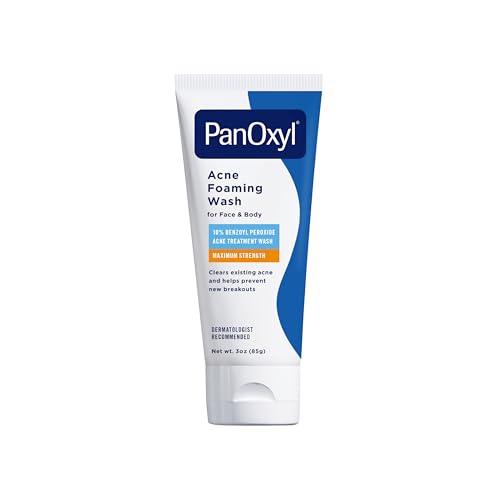
The Core Challenge
Consider a representative individual who presents with a persistent feeling of tightness combined with frequent, localized congestion. Despite using multiple skincare products, the person remains caught in a cycle where hydration efforts frequently lead to surface-level bumps, suggesting the current moisturizer may be too heavy or occlusive for their specific skin type.
Why the Default Approach Often Falls Short
The common error lies in choosing products based on marketing promises rather than checking for comedogenic ingredients. When a user ignores this, they often layer heavier creams that create an environment conducive to clogged pores. Learn more about managing this by reading our guide on Moisturizer For Oily Skin: The Ultimate Guide to a Shine-Free Glow.
When selecting a moisturizer, look for labels that explicitly state they have been tested to be non-pore-clogging to minimize the risk of irritation.
The Approach & Method

Phase 1: Routine Simplification
The approach focused on removing potentially triggering occlusives from the daily routine and replacing them with lightweight, water-based formulations that support the lipid barrier without creating a comedogenic film.
Phase 2: Systematic Implementation
Recommended Equipment & Solution

Vanicream Daily Facial Moisturizer, Lightweight, Non-Greasy, 3
A reliable pick for Vanicream Daily Facial Moisturizer, Lightweight, selected based on this article's guidance.
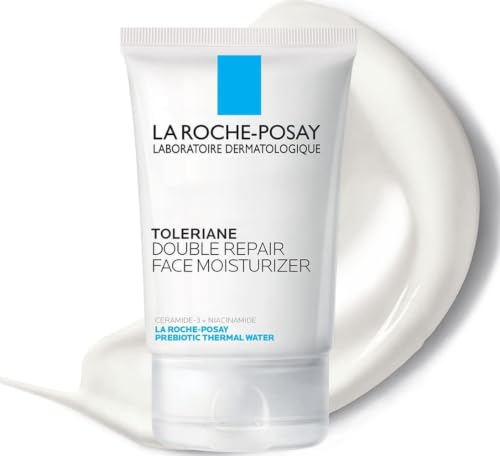
La Roche-Posay Toleriane Double Repair Face Moisturizer
A reliable pick for La Roche-Posay Toleriane Double Repair, selected based on this article's guidance.
Results & Outcome Analysis
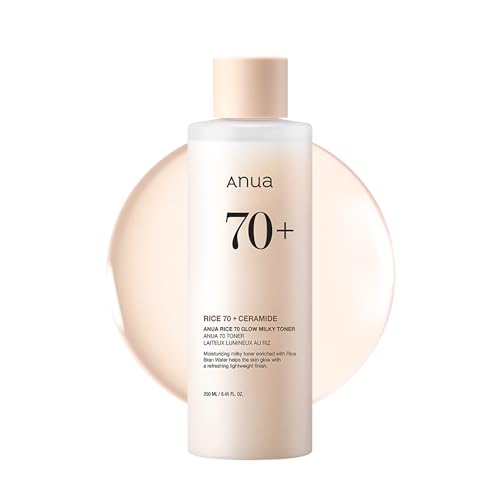
Understanding the Shift
Qualitatively, the shift toward a non-pore-clogging formula resulted in a more balanced appearance. The skin began to feel hydrated without the greasy, heavy residue that previously triggered congestion. This transition is essential for those looking to optimize their skin health, similar to the benefits discussed in Pdrn Serum: The Secret to Glass Skin and Ultimate Skin Rejuvenation.
Comparison of Skin States
| Feature | Before Implementation | After Implementation |
|---|---|---|
| Skin Texture | Rough with scattered bumps | Smooth and uniform |
| Hydration Feel | Tightness followed by oiliness | Comfortable and supple |
| Congestion | Frequent new breakouts | Stable and clear |
Many users report that by choosing the correct formulation, they observe a significant decrease in the recurrence of congestion while maintaining optimal hydration levels.
Lessons Learned

The Importance of Ingredient Literacy
Understanding which specific ingredients react poorly with your skin is a lifelong skill. Rather than blindly following trends, focusing on the formulation profile ensures long-term success. Read more about advanced care in best ghk cu peptide serum: Improve Skin Texture and Hair Vitality 2026.
Common Pitfalls to Avoid
Does This Apply to Your Situation?

When This Scenario Matches Yours
If you experience tightness after cleansing but notice congestion shortly after applying cream, this scenario is highly relevant. It suggests your skin needs water-binding support rather than heavy oil-based sealing.
When Your Situation Differs
If your primary concern is severe inflammation or cystic activity, product changes alone may not be sufficient. In those cases, professional guidance from a dermatologist is always recommended over independent experimentation.
Please note that individual skin chemistry varies significantly; this illustrative pattern is intended to guide your decision-making process, not to act as medical advice.
Frequently Asked Questions
Does non-comedogenic mean it won't break me out?
A: While it minimizes the risk of pore-clogging, everyone's skin is unique. Always patch test to ensure a product works for your specific skin chemistry.
How long does it take to see results?
A: Skin turnover cycles suggest that noticeable improvements in texture often become apparent within a few weeks of consistent use.
Can I use a non-comedogenic moisturizer with active ingredients?
A: Yes, these moisturizers are often designed to be lightweight, making them perfect for layering with serums and treatments.
Are all lightweight moisturizers non-comedogenic?
A: Not necessarily. Always check the label for the official classification, as some lightweight products can still contain pore-clogging oils.
Does this replace my need for SPF?
A: No, you should always follow your moisturizer with a dedicated SPF product during the day to protect your skin.
What if my skin still feels dry?
A: You may need to incorporate a hydrating toner or a humectant-based serum before your moisturizer to boost water content.
Do I need a different moisturizer for night?
A: Many people find that using the same non-comedogenic formula day and night is sufficient, but some prefer a slightly richer version at night.
Is this relevant for sensitive skin?
A: Absolutely, as these formulas are typically designed to be gentle and free from common skin irritants.
Key Takeaways
- 1 Prioritize non-comedogenic labels to ensure pore safety.
- 2 Routine simplification is often more effective than adding more steps.
- 3 Observe your skin for a few weeks to measure actual progress.
- 4 Ingredient awareness prevents the cycle of recurring congestion.
- 5 Patch testing is a crucial step before full-face application.
- 6 Focus on barrier health rather than just fighting imperfections.
- 7 Professional consultation is necessary if issues persist long-term.
Conclusion
Achieving a clear, hydrated complexion often comes down to the quality of your daily moisture barrier support. By choosing a non-comedogenic moisturizer, you provide your skin with the hydration it needs without the risk of unnecessary blockage.
As you move forward, keep these lessons in mind and focus on consistency. For further reading on refining your routine, explore Retinol para que sirve: El secreto definitivo para una piel joven y radiante.
Small, calculated changes to your skincare routine often yield the most significant long-term results for skin clarity.