Mastering your routine with a high-quality Tinted Sunscreen is the best way to combine broad-spectrum protection with a lightweight, even-toned complexion. This guide breaks down 10 expert tips to help you maximize your product's performance and achieve a natural look every single time.
Whether you are dealing with uneven skin tone or just want to skip heavy foundations, these actionable steps ensure you get the full SPF benefits while enjoying a seamless, glowing finish that lasts throughout the day.
Tip 1: Matching Your Undertones

Finding the Right Tint
The secret to a seamless Tinted Sunscreen application lies in selecting a shade that complements your skin’s undertone rather than just the surface color. Test the product on your jawline in natural lighting to ensure it disappears into your skin.
Evaluating Oxidation
Many formulas shift slightly in color once they dry down. Wait at least five minutes after application to see how the pigment interacts with your natural skin chemistry.
Tip 2: Applying the Right Amount

The Two-Finger Rule
To ensure full SPF protection, you must apply the recommended amount of product, which is generally a full two-finger length strip for your face. If you find this amount too heavy, it is better to layer smaller amounts in two separate passes rather than skipping product.
Consistency is Key
When you focus on the volume, consider how this fits into your wider care regimen, such as using Step-by-Step: How to Use & Master Fragrance-free Body Lotions for the rest of your skin health.
Tip 3: Layering with Serums

Compatibility Checks
Always pair your Tinted Sunscreen with a hydrating serum to prevent dryness throughout the day. Using products like the Torriden Dive-in Serum: Is This Viral K-Beauty Hydration Hero Worth the Hype? can create a plump, smooth canvas that helps the pigment sit evenly.
Allowing Absorption
Let your serum absorb for 60 seconds before applying your tinted SPF to ensure a smooth, non-streaky finish.
Pro Tip: If your serum is too oily, it may break down the mineral filters in your sunscreen, reducing its efficacy. Stick to water-based formulas.
Tip 4: Setting for Longevity

The Finishing Powder Method
If you have oily skin, lock your look in place with a translucent setting powder. This prevents the tint from migrating into fine lines without altering the color of the sunscreen.
Selective Setting
Focus your powder only on the T-zone to maintain a natural glow on the cheeks and high points of the face.
Recommended Equipment & Solution

CeraVe Tinted Sunscreen for Face, Mineral SPF
A reliable pick for CeraVe Tinted Sunscreen for Face, selected based on this article's guidance.
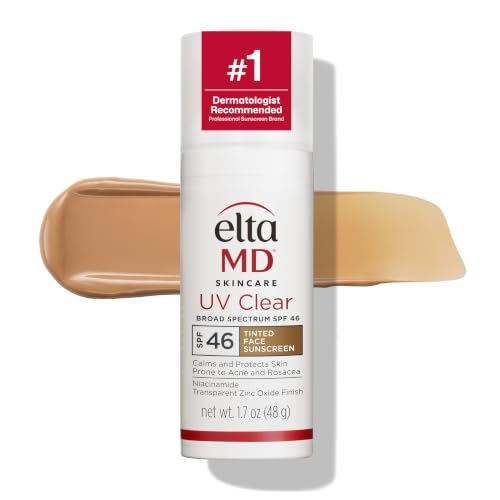
EltaMD UV Clear Tinted Face Sunscreen
A reliable pick for EltaMD UV Clear Tinted Face, selected based on this article's guidance.
Tip 5: Proper Removal Techniques

Double Cleansing
Because these products are formulated to adhere to the skin, they often require a thorough removal process. Use an oil-based cleanser first to break down the SPF, followed by a water-based wash.
Avoiding Residue
Proper removal is essential for skin health, much like navigating 7 Common Problems with Booster Serum Reviews And Complaints (and Quick Fixes), where residue can cause unexpected congestion.
Tip 6: Managing Coverage Levels
Building Gradually
Use a damp makeup sponge if you want to sheer out the product for a "no-makeup" look. For higher coverage, use your fingertips to pat the product into the skin rather than rubbing it, which keeps the pigment concentrated.
Comparison of Application Tools
| Tool | Effect | Best For |
|---|---|---|
| Fingertips | Highest coverage | Spot concealing |
| Sponge | Light/Even | Daily natural look |
| Brush | Streak-free | Full, uniform application |
Warning: Avoid using porous brushes that soak up too much product, as this will lead to you applying less sunscreen than needed for true UV protection.
Tip 7: Avoiding Pilling Issues
Testing the Order
Identifying Incompatibilities
Pilling often occurs when mixing silicone-based and water-based formulas. Try to keep your skincare and SPF within the same formulation category.
Tip 8: Patch Testing and Compatibility
Safety First
Before committing to a new bottle, apply a small amount to your inner arm. Check for any irritation over 24 hours, especially if you are using active products like those found in Anua Niacinamide 10% + Txa 4% Review: The Ultimate Solution for Dark Spots?.
Ingredient Synergy
Ensure that your active treatment serums do not conflict with the mineral or chemical filters in your tinted option.
Tip 9: Seasonal Shade Adjustments
Custom Mixing
Your skin tone may change with the seasons. Keep a lighter and darker shade of your favorite tinted formula to mix during transition months for a perfect match.
Dilution Strategies
If you get a shade that is slightly too dark, mixing it with a small amount of non-tinted mineral sunscreen can create a custom tone that perfectly matches your complexion.
Success Tip: Many users find that mixing two shades of the same product provides a more natural, multidimensional look than using a single flat tone.
Tip 10: Reapplication Strategies
Maintaining Protection
SPF effectiveness wanes after two hours of sun exposure. Use a tinted sunscreen stick for easy, mess-free reapplication over your makeup throughout the day.
Touch-up Techniques
Gently blot excess oil with a tissue before reapplying to ensure the new layer of protection sits smoothly on the skin.
Common Mistakes to Avoid
Frequently Asked Questions
Does Tinted Sunscreen provide the same protection as non-tinted versions?
A: Yes, if applied in the same quantity. The pigment is strictly for aesthetic and anti-glare benefits, not for UV filtration performance.
Can I use a Tinted Sunscreen instead of foundation?
A: Absolutely. Many people find it offers enough sheer coverage to even out skin tone while avoiding the heavy, cakey feeling of traditional liquid foundations.
How do I pick the right shade online?
A: Look for swatch videos from creators with similar skin tones to yours. Checking the brand's undertone guide is also a reliable way to narrow down the best match.
Is it suitable for sensitive skin?
A: Generally, mineral-based tinted sunscreens are excellent for sensitive skin, but always check the label for potential irritants or fragrance.
Does the tint rub off on clothes?
A: It can transfer if not set properly with powder or allowed to fully "set" for several minutes. Avoiding tight necklines until it is dry helps.
Can I wear it at night?
A: While it won't hurt your skin, there is no need for SPF at night. It is best to cleanse it off to let your skin breathe and recover.
Is it water-resistant?
A: It depends on the formula. Always check the packaging for "water-resistant" claims if you plan on swimming or exercising heavily.
Does it help with melasma?
A: The iron oxides found in many tinted formulas can actually help block visible light, which is a known trigger for melasma, providing more protection than standard clear SPF.
Key Takeaways
- 1 Always test shades on your jawline in natural light to avoid oxidation surprises.
- 2 Use the two-finger rule to ensure you are receiving the SPF rating stated on the bottle.
- 3 Allow your moisturizing serum to absorb for one minute before applying your tint.
- 4 Use a double-cleansing method every night to fully remove pigmented formulas.
- 5 Experiment with a damp sponge versus fingertips to control your desired coverage level.
- 6 Pilling is usually caused by mixing incompatible base ingredients like silicone and water.
- 7 Keep a sunscreen stick handy for easy, clean reapplication during the day.
Final Thoughts on Tinted Sunscreen
Incorporating a reliable Tinted Sunscreen into your daily life is an efficient way to achieve a glowing, protected complexion. By following these tips—from proper application techniques to effective removal—you can simplify your morning without compromising on skin health.
Remember that the best product is one you enjoy wearing enough to apply consistently. Stay patient as you find your perfect shade and formula, and your skin will thank you with a radiant, even tone.
Protecting your skin with a beautiful finish has never been easier or more accessible.