
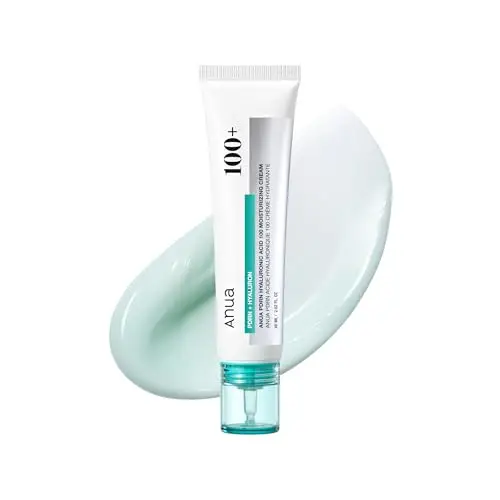
When navigating the world of K-beauty, choosing between the Anua Pdrn Hyaluronic Acid 100 Moisturizing Cream and conventional deep-hydration moisturizers often leads to confusion. Both target skin barrier repair and moisture retention, yet they approach these goals through fundamentally different ingredient philosophies.
Selecting the right product requires looking beyond marketing claims. While some users seek the regenerative potential of PDRN (Polydeoxyribonucleotide), others prioritize the immediate, surface-level plumping effect of high-concentration hyaluronic acid formulas. Understanding the structural differences between these two approaches is essential for building a routine that addresses your specific skin needs.
This guide breaks down the technical and practical differences between these two categories of hydration. By the end of this comparison, you will have a clear framework to determine which formulation aligns with your skin’s current cycle, sensitivities, and long-term vitality goals.
- Ingredient composition: PDRN vs. Traditional Hyaluronic Acid.
- Barrier repair mechanisms and recovery speed.
- Texture and absorption profiles for different skin types.
- Compatibility with active ingredients like retinoids.
- Cost-to-benefit ratio for daily maintenance.
Overview & Head-to-Head Summary
The PDRN-Based Approach
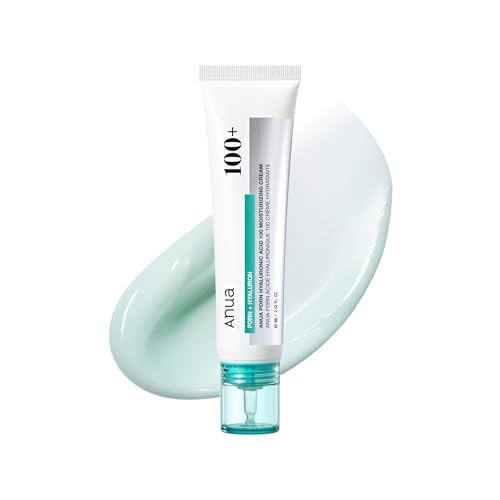
The Anua Pdrn Hyaluronic Acid 100 Moisturizing Cream focuses on tissue regeneration and cellular health. PDRN is often sought for its potential to support skin elasticity and calm irritated barrier layers, making it a targeted choice for those recovering from compromised skin or environmental stress.
The Conventional Hyaluronic Acid Approach
Traditional moisturizing creams rely on multi-molecular weight hyaluronic acid to draw moisture into the epidermis. These products are generally designed for immediate plumping, dehydration relief, and creating a smooth canvas, often prioritizing hydration over tissue-level repair.
Our Top Pick
Anua PDRN Hyaluronic Acid 100 Moisturizing Cream
Best for: Practical Solution & Performance
A reliable pick for Anua PDRN Hyaluronic Acid 100, selected based on this article's guidance.
As an Amazon Associate, we earn from qualifying purchases. Affiliate disclosure
At a Glance: Our Top Picks
| Feature | PDRN-Infused Cream | Standard HA Cream |
|---|---|---|
| Primary Goal | Cellular Repair | Surface Hydration |
| Texture | Usually Mid-Weight | Varies (Light to Rich) |
| Skin Benefit | Long-term Vitality | Immediate Plumping |
| Barrier Support | High (Supportive) | Moderate (Protective) |
If you are currently using stronger treatments like the MEDITHERAPY Retinal Skin Booster, the recovery-focused nature of a PDRN-enriched cream may provide better balance for your skin’s daily health.
Key Differences & Core Features
Regenerative Properties vs. Humectant Capacity
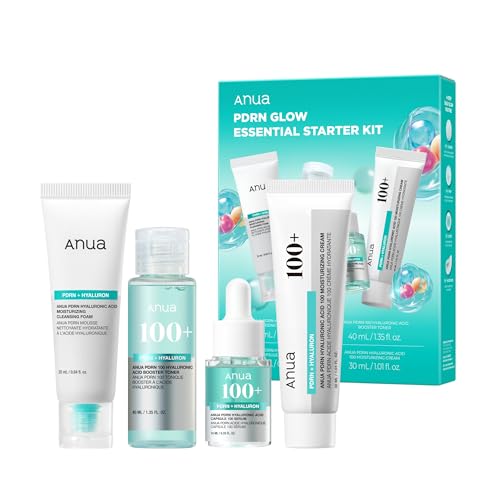
The most significant distinction lies in the active compounds. PDRN works by mimicking natural cellular building blocks, which is distinct from the pure humectant action of hyaluronic acid. While HA pulls water into the top layers, PDRN is selected for its influence on deeper skin health.
Formulation Stability and Sensitivity
Hyaluronic acid is generally well-tolerated by almost all skin types, including highly reactive skin. PDRN, while powerful, may interact differently depending on the specific formula carrier oils or secondary botanicals. Comparing these allows you to decide if your skin requires simple hydration or more intensive restorative intervention.
| Feature | PDRN Cream | Standard HA Cream |
|---|---|---|
| Primary Active | DNA Derivatives | Sodium Hyaluronate |
| Tolerance | High for most | Universal |
| Finish | Natural/Supple | Dewy/Glass-like |
| Long-term Use | Preventative/Corrective | Maintenance |
Performance & Real-World Analysis
Assessing Absorption and Layering
Understanding how a cream performs under your existing routine is crucial. Both options are generally compatible with other products, but their “finish” on the skin can dictate whether they work better for morning or evening applications. Learn more about balancing your routine in our guide on Ongredients Skin Barrier Calming Lotion.
Consistency and Long-Term Results
Consistency is key to seeing the benefits of either type of cream. PDRN products are often compared to long-term investment pieces, whereas standard HA creams act as daily staples for preventing moisture loss.
Performance is highly individual; however, tracking your skin’s “bounce” and hydration levels over two weeks provides the best data for your decision.
Best Use Cases & Ideal Scenarios
When Option A (PDRN-Based) Makes More Sense
If your skin is currently undergoing professional treatments, recovering from harsh weather, or showing early signs of decreased elasticity, the reparative focus of PDRN is an ideal choice.
When Option B (Standard HA) Makes More Sense
If your primary concern is simple hydration, preventing flakiness, or achieving that desired “glass skin” look, a high-quality standard Hyaluronic Acid cream remains the industry gold standard.
When It Genuinely Doesn’t Matter
For individuals with naturally resilient skin who simply need a reliable moisturizer to lock in serums, the difference in active ingredients may be negligible. In these cases, focus on price point, texture preference, and brand ethics.
Recommended Equipment & Solution
Anua PDRN Hyaluronic Acid 100 Moisturizing Cream
A reliable pick for Anua PDRN Hyaluronic Acid 100, selected based on this article’s guidance.
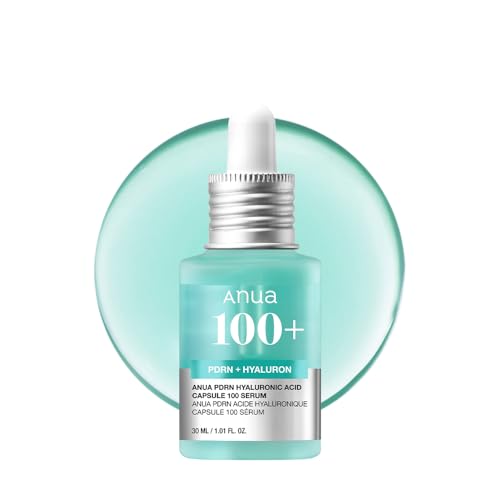
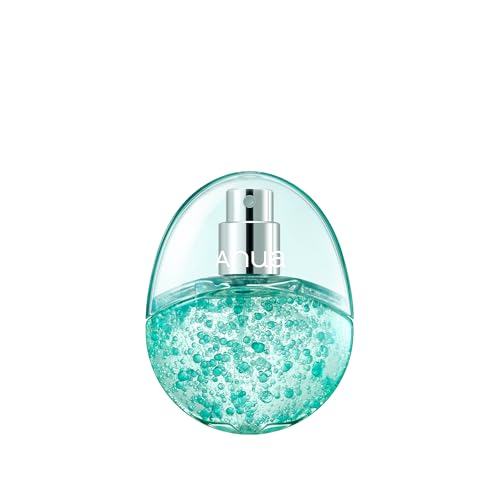
Anua PDRN Hyaluronic Acid Capsule 100 Serum
A reliable pick for Anua PDRN Hyaluronic Acid Capsule, selected based on this article’s guidance.
Final Verdict & Decision Framework
Quick Decision Checklist
Prioritize your needs: Are you looking for repair or maintenance? If repair (acne scars, barrier damage, signs of aging), lean toward PDRN. If maintenance (daily hydration, plumping), stick to high-grade HA.
Our Framework for Choosing
| Your Priority | Recommendation |
|---|---|
| Repair/Healing | PDRN Cream |
| Hydration/Plumping | Standard HA |
| Sensitive Skin | Standard HA/Patch Test |
| Elasticity Support | PDRN Cream |
Frequently Asked Questions
Can I use PDRN creams with retinoids?
A: Yes, generally they are compatible and can help mitigate the dryness often caused by retinoids.
Is hyaluronic acid safe for oily skin?
A: Yes, it is a humectant that hydrates without adding heavy oils, making it ideal for oily skin.
How long does it take to see results?
A: Most users notice an immediate hydration effect, but long-term structural changes usually require 4-8 weeks.
Are these creams suitable for sensitive skin?
A: Both are generally mild, but patch testing is always recommended if you have a history of allergies.
Should I apply these on damp skin?
A: Yes, applying these creams to slightly damp skin helps “lock in” extra moisture for better results.
Can I use both types of products?
A: You can, but it is often redundant. It is usually more efficient to pick the one that addresses your main concern.
Does price correlate with quality?
A: Not always. Focus on ingredient lists rather than brand reputation or luxury pricing.
Is PDRN safe for all ages?
A: PDRN is broadly safe, but its benefits are most noticeable in skin that requires cellular support, such as aging or damaged skin.
Key Takeaways
- 1 PDRN focuses on cellular repair and long-term skin health.
- 2 Hyaluronic Acid is the industry standard for immediate moisture plumping.
- 3 Choose based on whether you need “repair” or “hydration.”
- 4 Always patch test new products for 24-48 hours.
- 5 Consider your local climate when selecting the weight of your moisturizer.
- 6 Consistency is the most important factor in seeing any skincare benefit.
- 7 Your skin’s specific cycle—such as post-acne or post-treatment—should dictate your choice.
Conclusion
Choosing between the Anua Pdrn Hyaluronic Acid 100 Moisturizing Cream and standard alternatives is a matter of identifying whether your skin is in a phase of repair or simple maintenance. By understanding the functional differences between PDRN’s restorative properties and hyaluronic acid’s humectant action, you can make a decision that supports your unique skin journey.
We recommend assessing your current skin concerns against the framework provided in this guide. For further reading on managing skin health, check our advice on Best Skincare Products For Acne.
The best moisturizer is the one that fits seamlessly into your daily life while consistently addressing your primary skin goal.