
To correctly fix Often to Use Sheet Masks, you must move beyond the “more is better” fallacy and align your routine with your skin’s specific moisture requirements.
This guide is designed for skincare enthusiasts who have integrated masks into their regimen but feel unsure if their current frequency is yielding the best results or causing unnecessary irritation. We assume you have a basic understanding of cleansing and toning.
By the end of this guide, you will be able to structure a masking schedule that prioritizes barrier integrity, optimizes ingredient absorption, and avoids common over-treatment pitfalls.
- Understanding your skin type and its capacity for serum absorption.
- The physiological impact of prolonged occlusion on the stratum corneum.
- How to determine the ideal weekly frequency based on humidity and season.
- Signs that you are masking too frequently and how to pivot.
- Methods for integrating sheet masks alongside potent actives like Beauty Of Joseon Serum.
Overview & Prerequisites
Determining Your Skin’s Baseline
Before establishing how often to use sheet masks, you must identify your current skin baseline. Oily, acne-prone skin may react differently to the occlusive nature of masks compared to dehydrated or dry skin types. Refer to our guide on Best Skincare Products For Acne to see how masks fit into a non-comedogenic routine.
Essential Tools for Masking Success
You will need a clean environment, a gentle cleanser, and a firm understanding of your skin’s tolerance. Avoid using masks during active breakouts unless they are specifically formulated for soothing, as excessive moisture can sometimes exacerbate inflammation.
Core Concepts & Fundamentals
The Principle of Occlusion and Skin Hydration
Sheet masks function primarily through occlusion, which temporarily traps moisture against the skin, forcing deeper penetration of the serum. However, keeping the skin in a perpetually damp, occluded state can disrupt the natural desquamation process.
Balancing Actives and Occlusives
It is vital to distinguish between daily-use soothing masks and heavy-duty, active-ingredient-laden masks. While hydrating masks are safer for frequent use, those containing chemical exfoliants or high-potency brighteners should be used sparingly.
| Incorrect Model | Expert Recommended Model |
|---|---|
| Daily use regardless of formulation | Frequency dictated by ingredient potency |
| Leaving masks on until completely dry | Removing while still slightly damp |
For more insights on maintaining a healthy barrier, consult Ongredients Skin Barrier Calming Lotion: Your Ultimate Guide to Soothed, Hydrated Skin.
Step-by-Step Execution Guide
Preparation Phase
Preparation is the foundation of effective absorption. Cleanse your skin thoroughly to remove impurities, allowing the active ingredients in your mask to work without interference.
Application and Timing Protocol
Apply the mask to clean skin, ensuring there are no air bubbles. Monitor the time strictly; letting a mask dry completely on the face can actually lead to trans-epidermal water loss (TEWL).
Recommended Equipment & Solution
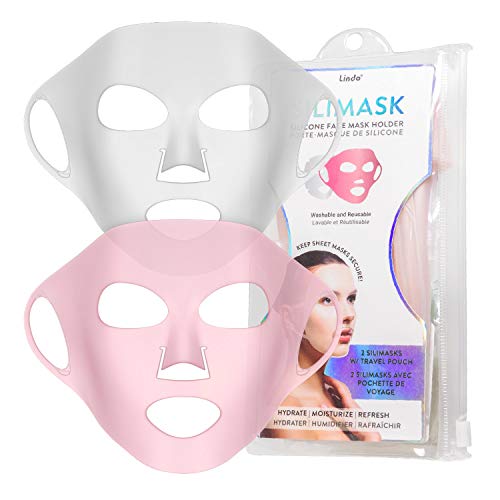
Lindo Silimask Reusable Silicone Facial Mask Cover
A reliable pick for Lindo Silimask Reusable Silicone Facial, selected based on this article’s guidance.
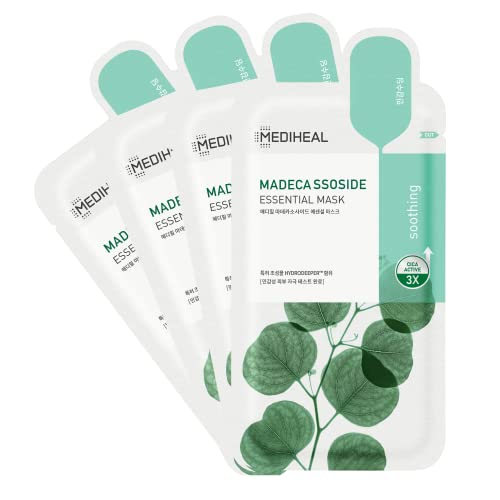
Mediheal Best Korean Sheet Mask – Madecassoside
A reliable pick for Mediheal Best Korean Sheet Mask, selected based on this article’s guidance.
Best Practices & Pro Tips
Seasonal Adjustments
Your environment significantly changes how your skin reacts to masks. In high-humidity summers, you may find your skin requires fewer intensive hydration masks, whereas dry winters may necessitate a more consistent schedule.
Maximizing Serum Efficiency
Pro tip: Use a roller or your fingertips to gently massage your face over the mask to aid penetration. This technique, combined with the right frequency, ensures you get maximum value from your products.
Troubleshooting & Common Pitfalls
Identifying Over-Processing
If your skin starts to look red, feels itchy, or develops small, non-inflammatory bumps, you have likely over-processed your skin with too many masks. Cease usage immediately for 3-5 days to allow your barrier to recover.
Addressing Ingredient Sensitivity
Some masks contain fragrance or preservatives that may trigger reactions over time. If you notice persistent redness, check the ingredient list for potential irritants.
Frequently Asked Questions
Can I use a sheet mask every day?
A: While gentle, hydrating masks can be used daily, it is generally safer to stick to 2-3 times per week to avoid over-hydrating or disrupting your skin barrier.
Should I wash my face after using a sheet mask?
A: Generally, no. You should tap the remaining essence into your skin to let it absorb, then follow up with a moisturizer to seal the hydration in.
What time of day is best for sheet masking?
A: Evening is typically preferred as it allows the ingredients to work overnight while you rest, supporting the skin’s natural repair process.
Can I re-use a sheet mask?
A: No, never reuse a sheet mask. They are designed for single use to prevent bacterial growth and the re-introduction of impurities to your skin.
How long is too long for a sheet mask?
A: Do not exceed 20 minutes. Beyond this, the drying fabric can begin to absorb moisture away from your skin, causing the opposite of the intended effect.
Do sheet masks expire?
A: Yes, they do. Always check the packaging for an expiration date, as the active ingredients can degrade and the serum can become a breeding ground for bacteria over time.
Are there specific masks for acne-prone skin?
A: Yes, look for masks containing tea tree or salicylic acid, but ensure they are used in moderation so as not to dry out the skin barrier.
Can I layer other products after a mask?
A: Yes, you can follow with your usual serum and moisturizer. If you are curious about other treatments, check Lip Serum: The Secret to Achieving Plumper, More Hydrated Lips for lip care tips.
Key Takeaways
- 1 Limit sheet mask use to 2-3 times per week for optimal balance.
- 2 Never leave a mask on until it is bone-dry; remove while slightly damp.
- 3 Adjust your frequency based on the potency of the mask’s ingredients.
- 4 Always patch test new products to avoid adverse reactions.
- 5 Seal in the serum with a moisturizer after removal.
- 6 Store masks correctly to ensure ingredient efficacy remains intact.
- 7 Listen to your skin—redness is a clear signal to stop and recover.
Conclusion
Fixing how often to use sheet masks is an essential step in maturing your skincare journey. By understanding the balance between active nourishment and barrier protection, you can enjoy the benefits of these treatments without the risk of irritation.
Remember that your skin’s needs change; remain flexible with your routine and prioritize your skin’s immediate feedback over a rigid schedule. For more comparisons, see Often To Use Sheet Masks vs Top Competitors: Which is Best?
Consistency is key, but moderation is the true secret to long-term radiant skin health.
📌 Pillar Resource: Read our complete Often to Use Sheet Masks master hub for in-depth insights.