
Understanding the differences when you fix Pads vs other pore pads is essential for maintaining a healthy skin barrier and achieving a refined complexion.
This guide is designed for skincare enthusiasts and those struggling with congestion who want to master the art of exfoliation. We assume a foundational knowledge of basic cleansing but provide technical detail on product selection and application frequency.
By the end of this guide, you will be able to distinguish between various resurfacing tools, identify the correct frequency for your skin type, and troubleshoot common irritation issues that arise when using these products.
- Understanding the chemical versus physical exfoliation balance.
- Identifying your specific skin congestion pattern.
- Selecting the right pad material for your sensitivity level.
- Establishing a safe, non-irritating application cadence.
- Troubleshooting redness and barrier disruption.
Overview & Prerequisites
Defining Your Skin Needs
Before you begin, you must assess whether your pores require chemical dissolution (BHA/AHA pads) or manual extraction assistance. Understanding the distinction helps you master the use of pore pads without over-stripping your lipid barrier.
Essential Tools and Environment
You will need a pH-balanced cleanser, a clean environment, and your chosen pad product. It is critical to ensure your face is pre-cleansed; applying treatment pads to dirty skin drives debris deeper into the follicle.
Always perform a patch test on your jawline 24 hours before applying any new active-infused pad to your entire face to monitor for potential allergic reactions.
Core Concepts & Fundamentals
Chemical vs. Physical Mechanisms
When you fix Pads vs other pore pads, you are often navigating the difference between chemical keratolytic agents (like Salicylic Acid) and physical texture-based removal. Chemical pads loosen the “glue” holding dead skin cells, while other textured pads provide manual abrasion.
The Barrier Integrity Principle
Over-exfoliation is the most common error. The goal is not to “scrub” the skin clean, but to support the natural desquamation process. Using multiple types of exfoliating pads simultaneously often leads to compromise of the acid mantle.
| Mental Model | Impact on Skin |
|---|---|
| Aggressive Scrubbing | Micro-tears and dehydration |
| Controlled Resurfacing | Increased cell turnover |
For a deeper dive into compatible products, see our guide on Pads Vs Other Pore Pads vs Top Competitors.
Step-by-Step Execution Guide
Preparation and Selection
Select your pad based on current skin state—use gentle PHA pads for sensitive days and BHA-heavy pads for active congestion.
The Application Sequence
Recommended Equipment & Solution
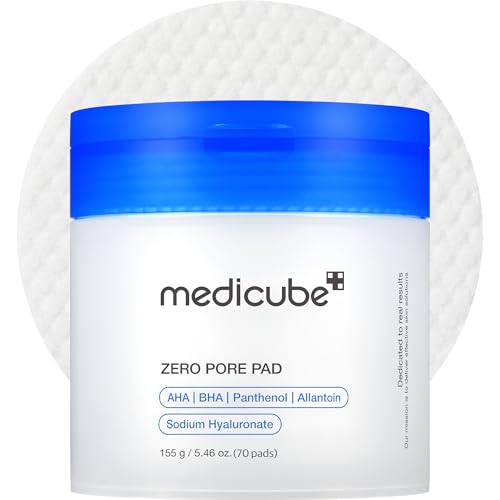
medicube Toner Pads Zero Pore Pad 2.0
A reliable pick for medicube Toner Pads Zero Pore, selected based on this article’s guidance.
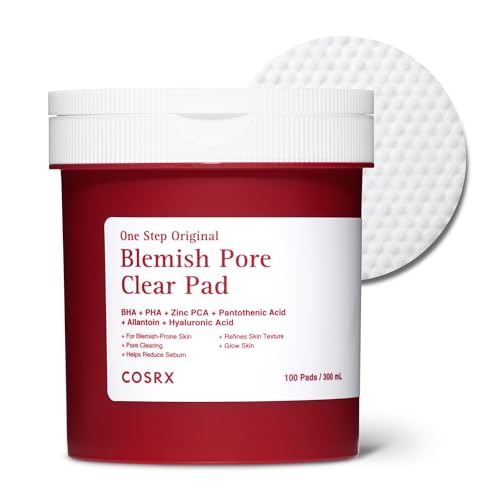
COSRX OneStep Blemish Pore Clear Toner Pads
A reliable pick for COSRX OneStep Blemish Pore Clear, selected based on this article’s guidance.
Best Practices & Pro Tips
Optimizing Usage Cadence
Most skin types benefit from 2-3 times per week application. Daily use is reserved for resilient, oily skin types that have built significant tolerance.
Synergy with Other Actives
Avoid using retinol or Vitamin C in the same session as exfoliating pads to prevent chemical burns. Use the
Troubleshooting & Common Pitfalls
Identifying Barrier Disruption
If you experience stinging or persistent redness, stop all exfoliating pads for one week. Focus strictly on hydration and barrier repair.
Adjusting Your Routine
If your skin feels tight, you may be using pads with high alcohol content. Consider switching to alcohol-free alternatives to maintain balance. As noted in our Best Sunscreen For Oily Skin guide, maintaining a balanced oil flow is key to preventing breakouts.
Frequently Asked Questions
1. How often should I use pore pads?
A: Most users see best results with 2-3 sessions per week. Daily use may damage your skin’s protective barrier.
2. Can I use these on sensitive skin?
A: Yes, but only with low-concentration PHA pads. Avoid rough physical textures if your skin is reactive.
3. Do I wash my face after?
A: No, leave-on pads are formulated to be absorbed. Washing them off renders the active ingredients useless.
4. Why does my skin sting?
A: Stinging occurs when the pH of your skin is disrupted or the product is too strong. Rinse immediately and hydrate.
5. Are physical pads better than chemical?
A: They serve different purposes. Chemical pads exfoliate deeper, while physical pads provide immediate surface smoothing.
6. Can I skip moisturizer?
A: Never skip moisturizer after using pads. Exfoliated skin loses moisture faster than intact skin.
7. Should I use them morning or night?
A: We recommend nighttime use. This allows your skin to recover overnight and prevents photosensitivity.
8. Do they help with acne?
A: Yes, specifically BHA-infused pads. They penetrate the oil lining of pores to dissolve impactions.
Key Takeaways
- 1 Always perform a patch test before consistent use.
- 2 Never combine exfoliating pads with strong retinoids.
- 3 Limit frequency to prevent long-term barrier damage.
- 4 Dry your face completely before application.
- 5 Prioritize formulas that contain hydrating ingredients like HA.
- 6 Monitor skin for signs of tightness or flaking.
- 7 Consistent, gentle care outperforms aggressive, sporadic treatment.
Conclusion
Mastering how to fix Pads vs other pore pads is about restraint and consistency. By choosing the right tool for your specific skin type and maintaining a focus on barrier health, you can safely navigate the path to clearer pores.
Remember that the skin’s health is a marathon, not a sprint. If you feel unsure, start with lower concentrations and gradually increase frequency.
Radiant skin is the result of patience, precision, and the right tools used at the right time.
📌 Pillar Resource: Read our complete Pads vs other pore pads master hub for in-depth insights.