
Determining when Often to Use Sheet Masks vs alternatives—such as wash-off masks, serums, or leave-on sleeping packs—is a common dilemma for skincare enthusiasts looking to optimize their routine. Both approaches offer distinct ways to deliver hydration and active ingredients, yet they serve different roles in a long-term skin health strategy.
Many users feel overwhelmed by the sheer variety of topical treatments available. While some prefer the intensive, single-use convenience of sheet masks, others find more consistency and value in traditional skincare formats that integrate seamlessly into a daily regimen.
This guide analyzes these two approaches by examining their delivery mechanisms, frequency of use, and overall impact on skin barrier health. By the end, you will be able to distinguish between temporary “boosts” and foundational treatments to build a routine that works for your unique lifestyle.
- Frequency and long-term sustainability of results.
- Comparative cost per application versus long-term value.
- Efficiency in ingredient delivery and skin absorption rates.
- Environmental impact and ease of integration into daily life.
- Specific skin concerns addressed by each format.
Overview & Head-to-Head Summary
The Profile of Sheet Masks
Sheet masks are designed as occlusive delivery systems. By creating a physical barrier on the skin, they force high concentrations of serum into the epidermis, preventing evaporation and maximizing absorption during the 15-20 minute wear time.
The Profile of Topical Alternatives
Alternatives, such as Moisturiser For Dry Skin treatments or concentrated serums, focus on slow-release hydration and continuous barrier support. These products are formulated to be part of a permanent layer, often providing a more balanced moisture profile over 24 hours.
| Feature | Sheet Masks | Alternatives |
|---|---|---|
| Application Time | 15-20 Minutes | Seconds |
| Frequency | Occasional/Weekly | Daily |
| Primary Goal | Instant Hydration Boost | Long-term Barrier Repair |
| Environmental Impact | High Waste | Low Waste |
Tip: If your skin feels chronically dry despite regular mask use, consider focusing on a high-quality humectant serum instead of increasing mask frequency.
Key Differences & Core Features
Application and Delivery Mechanics
The core difference lies in the “event-based” nature of sheet masks versus the “maintenance-based” nature of serums and creams. Sheet masks act as a temporary infusion, while Axis-y Dark Spot Correcting Glow Serum and similar alternatives work steadily over time to improve skin texture.
Cost Structure and Long-Term Value
While a single sheet mask is inexpensive, the cost accumulates rapidly with frequent use. Conversely, a bottle of high-performance serum or cream represents a higher upfront investment but a significantly lower cost per application over several months.
| Category | Sheet Masks | Alternatives |
|---|---|---|
| Concentration | High (Temporary) | Moderate (Consistent) |
| Skin Texture | Smoothing Effect | Cumulative Improvement |
| Routine Integration | Disruptive | Seamless |
Performance & Real-World Analysis
Evaluating Hydration Retention
Sheet masks are excellent at plumping fine lines immediately after use. However, their performance often drops off significantly within a few hours. In contrast, heavy moisturizers or overnight masks provide a lipid barrier that seals in moisture for the duration of the day or night.
Consistency and Environmental Factors
When comparing usage, one must look at how the skin reacts to regular, intense occlusion versus steady-state active delivery. Learn more about refining your routine by reviewing our guide on Step-by-Step: How to Use & Master Pads Vs Other Pore Pads.
Performance findings suggest that while masks are superior for event prep, they are not substitutes for a solid foundation of daily serums and moisturizers.
Best Use Cases & Ideal Scenarios
When Option A Makes More Sense
Sheet masks are ideal for immediate skin recovery after travel, before a major event, or during extremely dry seasonal changes where an extra boost is necessary.
When Option B Makes More Sense
Alternatives like serums and lotions make more sense for daily environmental defense, acne management, and long-term anti-aging goals where consistent ingredient exposure is critical.
When It Genuinely Doesn’t Matter
If you are looking for simple basic hydration and have no specific skin sensitivities, both methods will prevent transepidermal water loss effectively.
Recommended Equipment & Solution
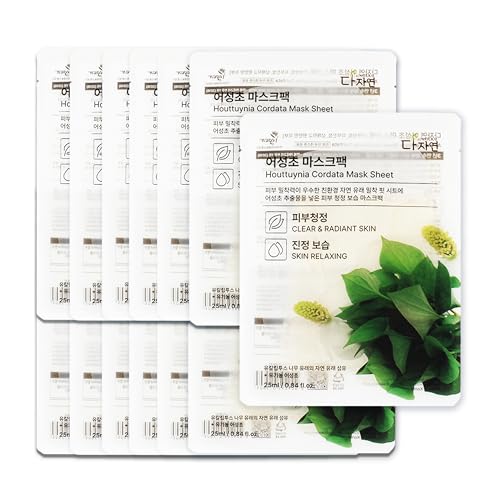
All Natural Houttuynia Cordata Mask Sheet
A reliable pick for All Natural Houttuynia Cordata Mask, selected based on this article’s guidance.
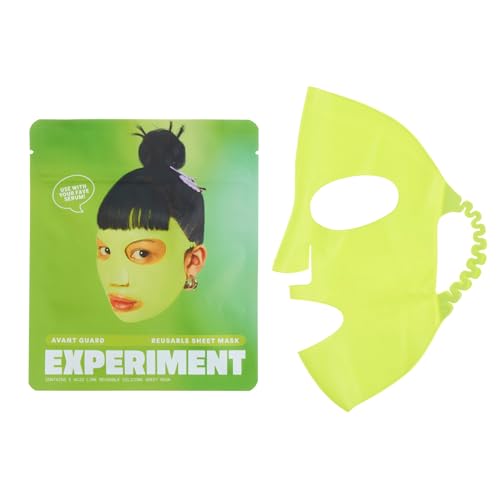
Experiment Avant Guard Reusable Silicone Sheet Mask
A reliable pick for Experiment Avant Guard Reusable Silicone, selected based on this article’s guidance.
Final Verdict & Decision Framework
Quick Decision Checklist
If your goal is immediate radiance for a specific day, choose sheet masks. If your goal is sustainable, clear, and hydrated skin, prioritize your daily alternatives (serums/creams).
Our Framework for Choosing
| Your Priority | Recommended Choice |
|---|---|
| Pre-Event Glow | Sheet Masks |
| Daily Skin Health | Serums/Creams |
| Minimal Effort | Creams/Lotions |
| Budget-Focused | Serums |
Frequently Asked Questions
Can I use sheet masks every day?
A: Generally, it is not recommended for sensitive skin. Daily occlusion can lead to breakouts or irritation, making a standard serum a safer daily choice.
Are sheet masks better than serums?
A: Not necessarily. Masks provide a concentrated, short-term boost, while serums provide consistent, long-term delivery of active ingredients.
Do I need to wash my face after a sheet mask?
A: Most dermatologists recommend patting the excess serum into your skin and letting it absorb, then following with a moisturizer to seal it in.
What is the best alternative to a sheet mask for hydration?
A: A high-quality hyaluronic acid serum followed by a nourishing occlusive moisturizer is the gold standard for long-term hydration.
Do masks help with acne?
A: Some masks contain acne-fighting ingredients, but they are often less effective than daily topical treatments specifically formulated for consistent blemish control.
Are there eco-friendly alternatives to sheet masks?
A: Yes, using wash-off masks or concentrated serums reduces packaging waste significantly compared to individual foil-wrapped sheet masks.
Can I use both in the same routine?
A: Absolutely. You can use your standard serum daily and reserve the sheet mask for a weekly “spa day” to boost your routine.
Which option is better for aging skin?
A: Aging skin generally benefits more from the consistent, active ingredients found in daily anti-aging serums rather than the temporary plumping of a mask.
Key Takeaways
- 1 Sheet masks provide an immediate, temporary boost for specific events.
- 2 Daily alternatives (serums/creams) are better for long-term barrier maintenance.
- 3 The cost of sheet masks adds up significantly over time.
- 4 Environmental waste is a notable consideration with sheet masks.
- 5 Consistency is more important for skin health than occasional intensive treatments.
- 6 Reactive skin types often prefer the stability of a simple daily serum.
- 7 You can combine both methods by integrating masks as a weekly supplement.
Conclusion
Choosing between sheet masks and alternative topical treatments comes down to understanding the distinction between short-term radiance and long-term health. While a mask offers a convenient, immediate “wow” factor, the foundation of great skin is built on the daily habits of hydration and barrier repair.
By prioritizing consistent, daily applications, you ensure your skin stays balanced and resilient. Use this guide to assess your personal needs and build a routine that feels sustainable and effective.
Mastering your routine is simple when you stop chasing quick fixes and start building long-term results; check out our guide on Lip Serum: The Secret to Achieving Plumper, More Hydrated Lips for further routine enhancements.
📌 Pillar Resource: Read our complete complete Often to Use Sheet Masks review for in-depth insights.