
Learning how to use Often to Use Sheet Masks correctly is the secret to unlocking consistent hydration without overloading your moisture barrier.
This guide is designed for skincare enthusiasts ranging from beginners to intermediate users who want to move beyond sporadic application. We assume you have a basic understanding of your skin type, whether it leans dry, oily, or combination.
By the end of this guide, you will be able to structure a weekly masking schedule tailored to your skin’s specific needs, identify signs of over-use, and maximize the absorption of active ingredients.
- Understanding the ideal frequency for your skin type.
- Preparing the skin surface for maximum serum absorption.
- Timing the application for optimal results.
- Identifying the difference between hydration and over-exfoliation.
- Integrating sheet masks with other active treatments.
Overview & Prerequisites
Required Tools and Environment
To successfully integrate sheet masks into your regimen, you need a clean environment and a gentle cleanser. Ensure your hands are washed thoroughly before touching the packaging or your face to prevent bacterial transfer. You may also find it helpful to have a Moisturiser For Dry Skin ready to seal in the serum after removal.
Target Audience Requirements
This guide is for anyone seeking to optimize their masking frequency. Whether you have compromised skin or simply want a weekly glow-up, knowing when to pause is just as important as knowing when to apply. For a deeper look at industry standards, consult our guide on Often To Use Sheet Masks vs Top Competitors: Which is Best?.
Core Concepts & Fundamentals
The Principle of Occlusion
Sheet masks function primarily through the principle of occlusion. By placing a physical barrier over the skin, the mask prevents the evaporation of water-based serums, forcing the active ingredients to penetrate deeper into the stratum corneum. This is significantly more effective than applying liquid serums to an open surface.
Balanced Frequency Models
While daily masking is a popular trend, it is not universally recommended. For most, 2-3 times per week is the “sweet spot” for maintaining hydration without compromising the skin’s natural microbiome. Over-masking can lead to transepidermal water loss (TEWL) if the skin becomes too saturated, which can actually dehydrate the complexion.
| Model | Frequency | Outcome |
|---|---|---|
| Minimalist | 1x Weekly | Maintenance |
| Balanced | 2-3x Weekly | Deep Hydration |
| Over-Masking | Daily/Multiple | Potential Irritation |
Step-by-Step Execution Guide
Phase 1: Preparation
Before applying the mask, your skin must be perfectly clean. Use a gentle cleanser to remove debris. If you have been using 7 Common Problems with Pads Vs Other Pore Pads (and Quick Fixes), ensure your skin has fully settled before applying the mask.
Phase 2: Execution
Recommended Equipment & Solution
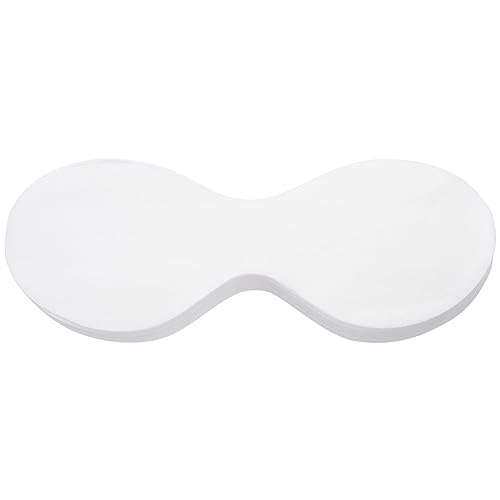
Joez Wonderful 100 Sheets Disposable Non Woven
A reliable pick for Joez Wonderful 100 Sheets Disposable, selected based on this article’s guidance.
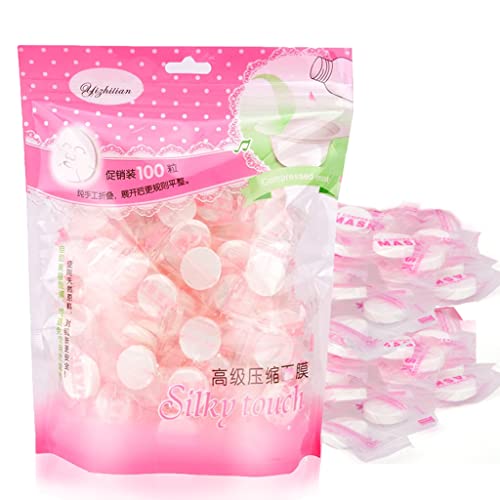
DIY 100 Pcs Compressed Disposable Cotton Facial
A reliable pick for DIY 100 Pcs Compressed Disposable, selected based on this article’s guidance.
Best Practices & Pro Tips
Environment and Storage
Store your masks in a cool, dark place. Many users find that keeping them in the refrigerator provides a soothing, de-puffing effect, which is particularly beneficial in the morning. However, avoid freezing them, as this can degrade the stability of the active ingredients.
Synergistic Skincare Pairing
You can layer serums under your mask if they are compatible. However, avoid layering aggressive actives like high-strength retinoids under a mask unless specifically instructed by a professional. Always follow your masking session with a high-quality moisturizer to lock in the hydration.
Troubleshooting & Common Pitfalls
Identifying Sensitivity
If you experience tingling, redness, or burning, remove the mask immediately. Do not ignore these signals. Your skin barrier might already be compromised. If you continue to see issues, stop usage and focus on barrier repair for at least one week.
When Results Stall
If you are masking frequently but seeing no results, your skin may be over-exfoliated or the mask ingredients might be incompatible with your specific skin type. Consider simplifying your routine to just basic hydration and seeing if your skin regains its natural balance.
Frequently Asked Questions
Can I use a sheet mask every day?
A: While some enthusiasts do, most dermatologists suggest 2-3 times per week to prevent irritation. Daily use can lead to over-saturation and may disrupt your natural skin barrier.
Should I wash my face after using a sheet mask?
A: Generally, no. The residual serum should be massaged into the skin, followed by your regular moisturizer to seal in the nutrients.
Are sheet masks effective for acne?
A: They can be, provided they contain soothing ingredients like tea tree or niacinamide. However, avoid heavy, oil-based masks if your skin is prone to congestion.
Can I reuse a sheet mask?
A: No, you should never reuse a sheet mask. Once the packaging is opened and the mask is applied, it becomes a breeding ground for bacteria.
What is the best time of day to mask?
A: Either morning or evening works well, though many prefer evenings to allow the ingredients to soak in while the body enters repair mode.
Should I apply toner before a mask?
A: Yes, using a toner prepares the skin by removing trace impurities and balancing pH, which creates an optimal base for the mask.
Do I still need a moisturizer after a mask?
A: Yes. Most masks provide deep hydration but lack the occlusive properties to prevent evaporation. A light moisturizer acts as a seal.
Can I use a mask while in the shower?
A: It is not recommended, as the steam can cause the mask to slip and prevent proper absorption of the active ingredients.
Key Takeaways
- 1 Frequency should generally be kept to 2-3 times per week for optimal results.
- 2 Always prioritize a clean, toned canvas before applying your mask.
- 3 Never allow the mask to dry out on your face, as this causes water loss.
- 4 Store masks in a cool, dark place to maintain formula stability.
- 5 Listen to your skin; if redness occurs, pause your usage immediately.
- 6 Use leftover serum from the pouch on your hands and neck.
- 7 Follow up with a moisturizer to lock in the hydration from the mask.
Conclusion
Mastering how to use Often to Use Sheet Masks is about consistency and listening to your skin’s feedback. By following these guidelines, you can ensure that every session contributes to a healthier, more radiant complexion rather than overwhelming your pores.
Remember that skincare is a marathon, not a sprint. If you are ever in doubt about your skin’s current state, take a break from active masking and return to basics. For those looking to further enhance their routine, consider exploring other treatments like Lip Serum or using an Axis-y Dark Spot Correcting Glow Serum for targeted brightening.
Consistent, intentional application is the bridge between temporary hydration and long-term skin health.
📌 Pillar Resource: Read our complete main Often to Use Sheet Masks guide for in-depth insights.